Sundarban Luxury Tour Safari Safety: Understanding Wildlife Rules and Responsible Travel
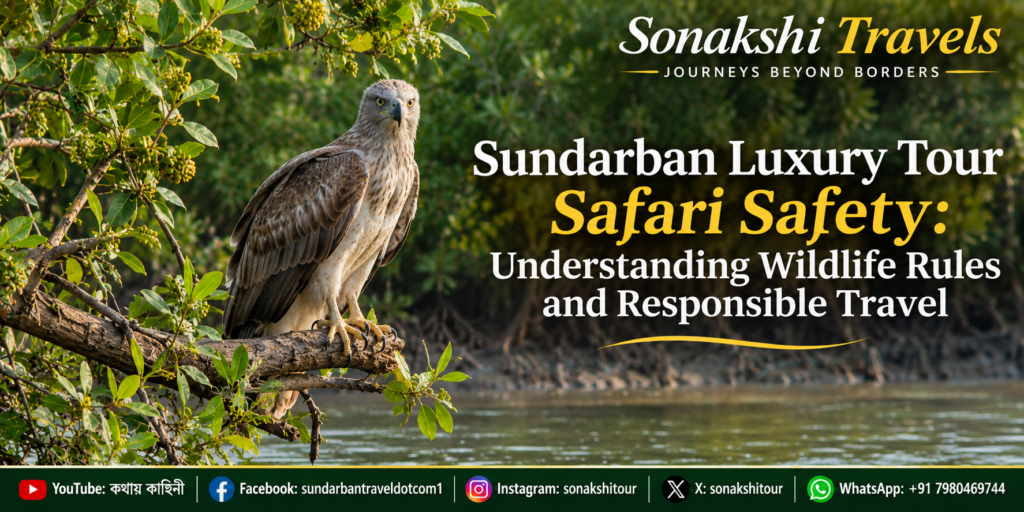
Safety is an essential part of experiencing the wild mangrove waterways of the Indian Sundarbans. A luxury safari may provide a comfortable private boat, experienced service team and personalised wildlife interpretation, but these advantages must operate within the safety requirements and conservation regulations established for the protected forest. Travellers booking a Sundarban Tour Private Wildlife Safari should understand how registered boats, life jackets, authorised guides, approved routes and responsible wildlife observation contribute to a safer journey. From maintaining distance from crocodiles to respecting tidal conditions and avoiding disturbance to wild animals, responsible travel involves practical decisions throughout the safari. Understanding these precautions allows visitors to enjoy the Sundarbans with confidence while respecting the extraordinary ecosystem they have come to explore.
The Sundarbans present a distinctive environment where rivers, narrow tidal creeks, muddy forest banks and dense mangrove vegetation shape every journey. Wildlife includes Royal Bengal Tigers, saltwater crocodiles, spotted deer, water monitors, birds and aquatic mammals. Although tourists normally observe these animals from registered boats and designated visitor facilities, their presence makes it important to follow instructions and maintain appropriate boundaries. River conditions also require attention, particularly when currents, changing water levels or poor weather affect navigation.
A responsible luxury tour should combine comfort with disciplined operations rather than presenting private travel as unrestricted adventure. Forest permits, guide arrangements, vessel safety, environmental rules and emergency planning all deserve consideration before departure. This guide explains the regulations that govern tourist conduct, the precautions travellers should take around wildlife, the importance of boat safety and the practical questions worth asking an operator. It also distinguishes official requirements from sensible recommendations, helping visitors plan a safari that is enjoyable, carefully organised and respectful of the protected landscape.
Why Safety Is Different on a Sundarban Wildlife Safari
The Sundarbans are not a conventional wildlife reserve where visitors travel along dry forest roads in safari vehicles. The protected landscape is divided by tidal waterways, and tourist exploration takes place primarily aboard registered boats. This changes the nature of the precautions required. Passengers must think about water safety, vessel stability, boarding arrangements, navigation and weather alongside the usual responsibilities associated with observing wild animals.
The environment is also influenced by tides. Water levels change throughout the day, exposing or covering muddy banks and affecting the appearance of narrow waterways. Strong currents, floating debris, reduced visibility and changing weather can create operational challenges that require experienced navigation. Travellers should therefore understand that the captain’s decisions are based on practical conditions, not merely the sightseeing preferences of the group.
UNESCO recognises the Indian Sundarbans as an exceptional mangrove ecosystem supporting important wildlife, including tigers, aquatic mammals, birds and reptiles. Protecting visitors and protecting this habitat are closely connected. A safari that respects forest boundaries and wildlife behaviour reduces unnecessary risks while supporting conservation.
A private boat does not remove natural risks
Private touring can offer more space, less crowding and easier communication with the crew. However, a premium vessel remains subject to the same natural conditions as other authorised tourist boats. Weather, tidal movement and wildlife behaviour cannot be controlled by the operator. Travellers should never assume that higher package prices remove the need for basic precautions.
The most meaningful luxury is a well-managed experience in which passengers are comfortable, understand the safety procedures and can concentrate on wildlife observation without unnecessary distractions.

Official Sundarban Tiger Reserve Wildlife Rules Every Visitor Must Follow
The Sundarban Tiger Reserve publishes rules governing tourist boats, guides, passengers and activities within the reserve. These requirements exist to protect wildlife habitats, reduce disturbance and support safe visitor management. They apply to private safari guests as well as visitors travelling in organised groups.
Remain within authorised forest routes
Tourist boats must follow routes prescribed by the forest department. The official regulations prohibit boat crews from deviating without permission from the responsible ecotourism range authority. A private booking does not grant access to restricted creeks, conservation zones or forest interiors outside the permitted route.
This rule is particularly important when wildlife appears in the distance. Travellers may be tempted to request a closer approach, but the guide and captain must respect the authorised route and maintain safe conditions. An animal should never be pursued simply to obtain a photograph.
Maintain silence and avoid loud music
The reserve prohibits loud music aboard boats in forest areas and requires silence to be maintained. This helps reduce disturbance and creates a more suitable environment for observing birds and animals. Passengers should keep conversations reasonably quiet and avoid shouting, amplified entertainment or unnecessary noise when travelling through protected waterways.
Quietness also makes wildlife interpretation more effective. Guides and naturalists may be able to draw attention to calls, movement or other features that would be difficult to notice in a noisy environment.
Do not litter or throw food into rivers
Official regulations prohibit disposal of plastic, food and other waste in forest areas or river waters. Waste bins must be provided aboard tourist boats, and single-use plastics are restricted within the reserve. Travellers should use the available collection facilities rather than dropping packaging, food scraps or other materials into the mangrove environment.
Food waste is not harmless merely because it is biodegradable. It may alter animal behaviour, introduce inappropriate food sources and contribute to environmental contamination. Responsible operators should organise waste storage and disposal as part of their normal onboard service.
Prohibited activities inside the reserve
The reserve’s published rules prohibit swimming, diving, fishing, smoking and alcohol consumption within the regulated forest area. Drone use is also explicitly prohibited. Tourists may disembark only at camps and visitor facilities open for tourism, subject to the applicable conditions.
These restrictions should be explained before departure. A luxury package cannot legitimately convert prohibited activities into exclusive privileges, and visitors should reject any suggestion that a private boat provides unrestricted freedom to explore sensitive habitats.
Private Safari Boat Safety: Registration, Life Jackets and Essential Equipment
The safety condition of the boat is one of the most important considerations when booking a Sundarban safari. Comfortable seating, a dining space, a viewing deck and private facilities may improve the travel experience, but they do not replace vessel registration, permitted passenger capacity or essential emergency equipment.
The Sundarban Tiger Reserve requires entry through registered boats and publishes operational rules covering identification, authorised passenger numbers, guide arrangements and safety provisions. Travellers should confirm that the assigned vessel is appropriate for the proposed forest itinerary rather than assuming that every locally available boat is authorised for tourism within protected waterways.
Life jackets and passenger capacity
The reserve’s published boat rules require sufficient life jackets aboard tourist vessels. Travellers should establish where the jackets are stored and how they are worn. Parents should specifically confirm that appropriately sized equipment is available for children. Anyone uncertain about fitting or adjusting a life jacket should ask the crew for assistance.
The authorised passenger limit must also be respected. A private group cannot simply add passengers beyond the vessel’s permitted capacity. Overcrowding can affect movement, balance and emergency evacuation, particularly in changing river conditions.
Fire extinguishers and first-aid supplies
The official regulations list at least one fire extinguisher and a maintained first-aid box among required boat essentials. These should be accessible and appropriate for the operation. The crew should know where the equipment is kept and how to respond to an incident.
First-aid supplies are not a substitute for professional medical treatment. Because the safari takes place in a river-based environment, travellers should tell the operator in advance about accessibility requirements or essential medical arrangements that could affect travel safety. Personal medication should remain readily available and protected from moisture.
Safe boarding and movement aboard the vessel
Boarding deserves particular care because jetty conditions, boat height and water level may vary. Passengers should wait for crew instructions, use designated boarding points and avoid rushing across wet or unstable surfaces. Suitable non-slip footwear can provide better grip than smooth-soled fashion shoes.
Once aboard, travellers should use handholds where available and avoid sudden movement, particularly while the boat is manoeuvring. Children require supervision near open edges and stairs. Passengers should not lean beyond railings, climb onto unsafe surfaces or crowd one side of the vessel to photograph wildlife.
Upper-deck photography and safety
An elevated viewing deck can provide a pleasant perspective of mangrove banks, but it should be used only when the crew considers conditions suitable. Wind, vessel movement, wet flooring and sudden manoeuvres may increase the risk of losing balance.
Photographers carrying large cameras should keep equipment secure and avoid obstructing walkways. No photograph is worth standing on a railing or placing the body beyond the protected edge of the boat.
How to Behave Safely Around Tigers, Crocodiles and Other Wildlife
The presence of powerful predators is part of the ecological importance of the Sundarbans, but responsible visitors should encounter wildlife only from authorised and suitably protected observation positions. Tourists must not treat wild animals as attractions that can be approached, called towards a boat or encouraged to perform for photographs.
Royal Bengal Tigers: observe without approaching
Royal Bengal Tigers are powerful predators adapted to the mangrove landscape and capable swimmers. A tiger may occasionally be visible walking along a bank or crossing a waterway, but such sightings are unpredictable. Visitors should remain aboard the authorised vessel or within the permitted visitor facility and follow the guide’s instructions throughout an encounter.
Do not shout, make sudden movements or request that the captain pursue the animal. A tiger crossing a channel needs space to move naturally. The appropriate response is quiet observation from a safe position, not an attempt to obtain a closer view.
Saltwater crocodiles: keep away from the water’s edge
Saltwater crocodiles inhabit the Sundarbans’ tidal waterways and may rest on exposed banks or remain partly submerged. Their presence is an important reason why swimming and unauthorised landing are unsafe as well as prohibited in the reserve.
Visitors should never place their hands or feet in the water, attempt to feed a crocodile or request an approach that compromises safe navigation. A crocodile may appear inactive while remaining capable of rapid movement. Observation should take place from the boat or an approved viewing area at a distance determined by safe operating practice.
Spotted deer, macaques and wild boar
Animals that appear less threatening also deserve appropriate distance. Spotted deer may move quickly when startled, and wild boar can respond unpredictably if approached. Rhesus macaques may become interested in food or unattended belongings, particularly where they have become accustomed to people.
Do not feed animals, imitate calls to attract them or encourage close contact. Feeding can alter natural behaviour and create unsafe expectations around humans. Travellers should keep food secured and allow animals to continue their normal activities without interference.
Birds, nests and sensitive habitats
Birdwatching should also follow responsible observation practices. Visitors should avoid disturbing nesting birds, using bait or attempting to flush individuals from vegetation to obtain flight photographs. The reserve’s published birding-event guidance specifically discourages baiting, feeding wildlife and disturbing or removing natural objects.
Binoculars and telephoto lenses offer a more suitable way to examine distant birds. When a bird appears distressed or repeatedly interrupts its normal activity, the responsible response is to reduce disturbance rather than continue approaching.
Tides, Weather and Navigation: Environmental Safety on the River
The Sundarbans’ tidal geography makes navigation an essential part of safari safety. Water levels can change substantially over time, while local currents, sediment movement and the shape of channels influence the operation of boats. Experienced crews must consider these conditions when planning routes and manoeuvring near jetties or narrow waterways.
Travellers should not interpret itinerary flexibility as permission to ignore the captain’s judgement. A safe journey may require changes to the sequence of sightseeing activities or the time spent at a particular location.
How weather affects safari safety
Heavy rain, strong wind, thunderstorms and reduced visibility can make river travel more difficult. Weather conditions may affect boarding, observation from open decks and navigation through exposed waterways. Operators should assess the conditions before departure and respond appropriately if they deteriorate.
Travellers should accept safety-related itinerary adjustments even when they reduce sightseeing time. A private booking cannot guarantee that every planned river route will remain suitable in all weather conditions.
Why tide and water depth matter
Tidal movement affects the depth and accessibility of certain waterways and boarding locations. The extent of exposed mudbanks also changes, creating different wildlife observation conditions throughout the day. The captain and responsible crew should determine where the vessel can navigate safely.
Passengers should not request entry into shallow or restricted creeks merely because wildlife may be visible there. Navigation safety and forest permissions take priority over individual photography preferences.
Preparing for heat, humidity and rain
Visitors can improve personal comfort and safety by carrying drinking water, wearing breathable clothing, using suitable sun protection and keeping lightweight rainwear available. A hat and sunglasses may be useful on exposed decks, while secure footwear helps with boarding and movement aboard the boat.
Visitors should also protect phones, cameras and essential documents from moisture. Waterproof pouches or appropriately secured bags are useful precautions, although travellers should avoid leaving valuables unattended in exposed areas.
Responsible Photography and Watchtower Safety
Sajnekhali, Sudhanyakhali, Dobanki and other authorised tourism locations provide opportunities to experience the forest from designated visitor facilities. These areas are intended for controlled observation rather than unrestricted walking through protected mangroves.
Visitors should remain within permitted platforms, protected walkways and designated paths. They should not climb barriers, enter surrounding vegetation or attempt to approach wildlife outside the established visitor area.
Safe conduct on watchtowers and canopy walks
Observation platforms may contain steps, railings and narrow passages. Travellers should move carefully, especially when surfaces are wet or crowded. Children should remain under adult supervision, and visitors with mobility concerns should ask about accessibility before attempting elevated structures.
At Dobanki, the canopy walkway offers an elevated view of mangrove vegetation. Its protected design does not mean that visitors can leave the route or ignore movement restrictions. The condition and availability of facilities should always be confirmed for the actual travel date.
Avoid unsafe photography positions
Photographers should never climb onto protective barriers or lean dangerously beyond a tower or boat railing. Large tripods and equipment bags should not block escape routes or shared walkways. When a wildlife sighting attracts several visitors, calm movement is more important than competing for the closest position.
Flash photography, specialised equipment and other activities may be subject to local restrictions. Photographers should verify any relevant rules with the authorised guide rather than assuming that all forms of equipment are permitted.
Guide Responsibilities and Emergency Preparation
The Sundarban Tiger Reserve states that tourist boats entering the reserve must carry ecotourism guides. The official guide’s role includes explaining visitor regulations and assisting with responsible conduct in protected tourism areas. The boat captain and crew remain responsible for vessel operation and practical navigation decisions.
A private naturalist or tour manager may provide additional assistance, but these roles should not be confused with the required authorised guide or the responsibilities of the vessel’s operating crew.
What should passengers know before departure?
A useful pre-departure briefing should explain the location of life jackets, safe boarding procedures, permitted passenger areas and the person to contact in an emergency. Travellers should also understand the prohibition on entering the water and the importance of remaining within authorised viewing locations.
These are sensible elements of a safety briefing, not a claim that the reserve mandates one particular script or briefing duration. The operator should adapt the explanation to the vessel, passenger group and applicable rules.
Medical information and emergency communication
Travellers with relevant medical needs or mobility limitations should communicate practical requirements before the tour. Personal medication, emergency contact details and necessary documents should be kept accessible. Families travelling with children or older guests should discuss boarding arrangements and any required assistance in advance.
Mobile connectivity can vary along remote waterways. The operator should have a practical communication and emergency response plan appropriate to the assigned boat and itinerary. Travellers should ask how the crew would obtain assistance if an unexpected medical or navigation issue occurred.
What if weather or a safety concern changes the itinerary?
Safety decisions may require postponing a departure, adjusting a planned stop or returning earlier than expected. The precise response depends on the situation and the judgement of the responsible crew and authorities.
A transparent operator should explain how it handles changes caused by safety conditions or official restrictions, including which services can be rescheduled and which financial terms apply under the booking agreement.
Choosing a Safe and Responsible Sundarban Luxury Tour Operator
The quality of a private safari should be assessed through more than photographs of boats or descriptions of premium meals. Travellers should ask whether the vessel is registered for the intended route, whether the required ecotourism guide is arranged and how the operator handles safety equipment, weather changes and emergency procedures.
When reviewing Sundarban private luxury tour packages, request a clear explanation of the assigned boat, guide arrangements, forest entry permissions and included services. An operator should be willing to explain the practical limits of the itinerary rather than promising unrestricted wildlife access.
A practical safety checklist before booking
- Boat registration: Confirm that the assigned vessel is authorised for the proposed safari.
- Passenger capacity: Ensure the group size is within the permitted limit.
- Life jackets: Confirm suitable equipment is available for adults and children.
- Emergency equipment: Ask about first-aid supplies and fire extinguishers.
- Forest guide: Confirm the compulsory ecotourism guide arrangement.
- Approved routes: Check that the programme uses authorised tourism waterways and facilities.
- Weather planning: Understand how the operator handles unsafe conditions.
- Emergency procedure: Ask how the crew communicates and obtains assistance.
- Accessibility: Discuss boarding, steps and individual mobility needs.
- Environmental conduct: Confirm that responsible waste handling and wildlife rules are followed.
For international guests, an international-friendly Sundarban luxury tour package should also be evaluated for clear language assistance, documentation coordination and communication about local rules. The operator should confirm requirements applicable to the traveller’s nationality and the selected itinerary rather than relying on general assumptions.
Travellers comparing a private Sundarban wildlife safari arrangement should distinguish luxury amenities from operational safety provisions. Comfort can improve the journey considerably, but safety depends on appropriate equipment, competent personnel and compliance with forest rules.
A broader discussion of river-based wildlife exploration can be found in the Sundarban Luxury Tour Wildlife Safari Guide: Exploring the Mangrove Wilderness in Comfort.
Frequently Asked Questions About Sundarban Safari Safety
Is a Sundarban private wildlife safari safe for tourists?
A properly organised safari using an authorised boat, required guiding arrangements and appropriate safety precautions can provide a structured way to visit the protected tourism areas. However, no wilderness activity is entirely risk-free. Visitors must follow crew instructions, remain within permitted areas and respect weather and wildlife conditions.
Are life jackets compulsory on Sundarban tourist boats?
The Sundarban Tiger Reserve’s published boat rules require sufficient life jackets aboard tourist vessels. Passengers should confirm the availability and proper fit of the equipment and follow crew instructions about its use.
Can tourists swim in the rivers during a luxury safari?
No. The reserve’s published rules prohibit swimming and diving within its protected areas. The waterways also contain natural hazards, including strong currents and potentially dangerous wildlife. A private booking does not create an exception.
What should visitors do if they see a tiger or crocodile?
Remain in the authorised viewing area, avoid sudden movements and follow the guide’s instructions. Do not feed, approach, pursue or deliberately disturb the animal. The captain and authorised guide should determine the appropriate response based on the circumstances.
Are private night safaris permitted in Sundarban Tiger Reserve?
A normal tourist safari booking does not authorise unrestricted night wildlife excursions inside protected forest areas. Visitors must follow the operating schedule and access conditions established by the authorities. Operators should not advertise prohibited night access as a luxury privilege.
Can tourists use drones for wildlife photography?
The Sundarban Tiger Reserve’s published tourist regulations prohibit drone use inside forest areas. Visitors should respect this restriction and seek clarification from the authorities before considering any specialised photographic equipment or activity.
Responsible Travel Is an Essential Part of Sundarban Luxury
A carefully organised Sundarban safari allows travellers to appreciate an extraordinary wildlife landscape while respecting the regulations that protect its forests and waterways. Registered boats, sufficient safety equipment, authorised guides, approved routes and sensible visitor conduct are essential elements of the experience. Understanding these requirements before departure helps travellers recognise the difference between genuine professional service and exaggerated promises of unrestricted adventure.
Wildlife observation should always remain patient and non-intrusive. Tigers, crocodiles, deer and birds must be allowed to behave naturally, while navigation decisions should remain with experienced boat crews. Weather changes and forest restrictions may occasionally require itinerary adjustments, but these decisions are part of responsible travel management.
For travellers seeking a Sundarban Tour Private Wildlife Safari with personalised arrangements, Sonakshi Travels can discuss private boat travel, guided wildlife exploration and practical tour requirements. Confirm the assigned vessel, current forest permissions and safety arrangements before booking. A memorable luxury safari should combine comfort, attentive service and respect for the natural environment without compromising safety or conservation.
Explore Our Latest and Updated Travel Guides
-
Luxury Sundarban Private Tour Cost: What Do You Get for the Higher Price?
Luxury Sundarban Private Tour Cost: What Do You Get for the Higher Price? Luxury in the Sundarbans has a rather different meaning from luxury in a metropolitan hotel or an international beach resort. It is expressed through the freedom to explore a magnificent tidal wilderness with your chosen companions, the comfort of returning to carefully selected accommodation and the reassurance that every important aspect of…
-
What Does Luxury Mean in the Sundarbans? Beyond Five-Star Rooms and Expensive Cars
What Does Luxury Mean in the Sundarbans? Beyond Five-Star Rooms and Expensive Cars At first glance, luxury travel appears easy to define. A sophisticated hotel, an expensive vehicle, beautifully presented meals and attentive hospitality are familiar indicators of a premium holiday. Yet a Sundarban luxury tour invites travellers to reconsider these conventional measures of indulgence. In a destination where tidal rivers determine the rhythm of…
-
Why True Sundarban Luxury Is Space, Time and Personal Attention
Why True Sundarban Luxury Is Space, Time and Personal Attention There is a particular kind of luxury that cannot be adequately described through the photographs of an expensive hotel room. It is experienced in the quiet moments of a journey, when there is no need to hurry, no competition for a comfortable seat and no obligation to adjust every personal preference to the expectations of…
-
How to Choose a Genuine Sundarban Private Tour Operator: 15 Questions to Ask Before Booking
How to Choose a Genuine Sundarban Private Tour Operator: 15 Questions to Ask Before Booking Choosing a genuine Sundarban private tour operator is one of the most important decisions you will make before exploring India's remarkable mangrove wilderness. A beautifully designed website may promise an exclusive boat, comfortable accommodation, experienced naturalists and unforgettable wildlife encounters. Yet these attractive descriptions do not always explain how the…
-
Sundarban Luxury Tour Crocodile and Deer Spotting: Beyond the Famous Bengal Tiger
Sundarban Luxury Tour Crocodile and Deer Spotting: Beyond the Famous Bengal Tiger A Royal Bengal Tiger may be the most celebrated animal of the Indian Sundarbans, but two other remarkable inhabitants often make a wildlife safari equally fascinating: the saltwater crocodile and the spotted deer. Crocodiles may rest almost motionless on exposed tidal mudbanks, while groups of chital deer feed along mangrove margins or emerge…
-
Sundarban Luxury Tour Full-Day Jungle Safari: What Happens from Morning to Evening?
Sundarban Luxury Tour Full-Day Jungle Safari: What Happens from Morning to Evening? A full-day jungle safari in the Indian Sundarbans is an experience shaped by tidal rivers, dense mangrove forests, changing wildlife activity and the quiet rhythm of travelling by boat. Unlike conventional jeep safaris, visitors explore the protected landscape through authorised waterways, observing forest banks and stopping at designated tourism facilities where permitted. A…
-
Sundarban Luxury Tour Morning Safari Experience: Light, Wildlife and River Landscapes
Sundarban Luxury Tour Morning Safari Experience: Light, Wildlife and River Landscapes Morning brings a distinctive atmosphere to the mangrove waterways of the Indian Sundarbans. Soft daylight gradually reveals the forest margins, reflections move across tidal rivers, and the sounds of birds become part of the experience of travelling through this remarkable landscape. For visitors planning a Sundarban Tour Private Wildlife Safari, a well-organised morning excursion…
-
Sundarban Luxury Tour Watchtower Guide: Sajnekhali, Sudhanyakhali and Dobanki
Sundarban Luxury Tour Watchtower Guide: Sajnekhali, Sudhanyakhali and Dobanki The watchtowers of Sajnekhali, Sudhanyakhali and Dobanki offer three different ways to experience the remarkable mangrove landscape of the Indian Sundarbans. Sajnekhali introduces travellers to the forest through wildlife interpretation and designated observation facilities, Sudhanyakhali provides views towards a freshwater pond and surrounding mangrove habitat, while Dobanki is particularly recognised for its elevated canopy walkway. For…
-
Sundarban Luxury Tour Safari Permits: Entry Rules, Guides and Boat Requirements
Sundarban Luxury Tour Safari Permits: Entry Rules, Guides and Boat Requirements Planning a private wildlife safari in the Indian Sundarbans involves more than selecting a comfortable boat and arranging accommodation. Every legitimate journey into the protected tourism areas must respect forest entry permissions, authorised guides, boat registration requirements and conservation regulations. These arrangements are particularly important for travellers booking a Sundarban Tour Private Wildlife Safari,…
-
Sundarban Luxury Tour with a Private Naturalist: A More Personalised Safari Experience
Sundarban Luxury Tour with a Private Naturalist: A More Personalised Safari Experience A Sundarban luxury tour with a private naturalist offers something that comfortable accommodation and an exclusive boat alone cannot provide: a more meaningful understanding of the extraordinary mangrove wilderness. Instead of simply travelling past forests and searching for wildlife, visitors can explore the relationships between tidal rivers, mangrove vegetation, birds, reptiles and the…
Turn Your Sundarban Plans into a Personalised Quotation
Tell Sonakshi Travels who is travelling and what you have in mind. Request availability, suitable stay options, and a clear package price for your party.
Prefer to speak directly? WhatsApp +91 7980469744 or call Sonakshi Travels.