Sundarban Luxury Tour Wildlife Photography Guide: Private Safaris for Photographers and Nature Lovers
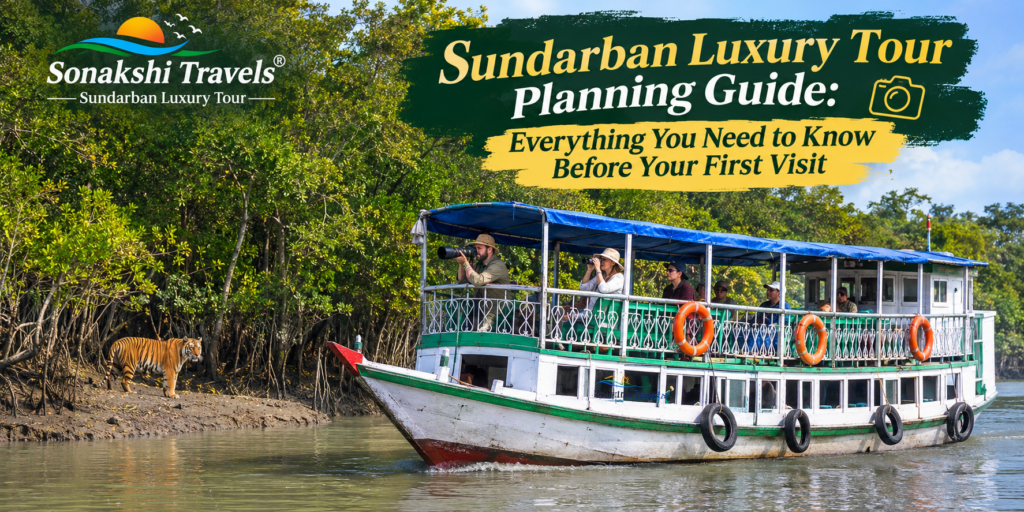
A Sundarban wildlife photography journey is unlike a conventional Indian jeep safari. Photographers explore tidal waterways, mangrove-lined rivers and narrow creeks from traditional tourist boats, watching for wildlife along muddy banks and dense forest edges. For travellers interested in Wildlife Photography & Nature, the possibilities extend far beyond photographing the Royal Bengal Tiger. Kingfishers, spotted deer, estuarine crocodiles, water monitor lizards, monkeys, birds of prey and the remarkable mangrove landscape all offer creative opportunities. A carefully arranged private safari provides valuable personal space, comfortable observation and greater flexibility within permitted forest routes, although wildlife sightings remain entirely dependent on natural conditions.
Unlike open grassland habitats, the Sundarbans demand careful observation. An animal may remain partially concealed behind mangrove roots or appear briefly at the edge of a river before disappearing. Water currents, changing tides, boat movement and dense vegetation all influence photographic opportunities. Understanding these characteristics before travelling helps photographers choose appropriate equipment, plan realistic shooting objectives and appreciate the considerable variety of subjects available throughout the forest.
For international wildlife enthusiasts, a private photography-oriented safari can provide a rewarding combination of natural exploration and comfortable travel. However, the quality of the experience depends on much more than accommodation standards or boat appearance. Appropriate camera positions, knowledgeable guides, a sensible itinerary, equipment protection and patience are particularly important. This guide explains how to plan a Sundarban photography holiday, select useful equipment, photograph wildlife responsibly and make the most of the distinctive photographic conditions of India’s mangrove wilderness.
1. Why the Sundarbans Is an Exceptional Wildlife Photography Destination
The Indian Sundarbans forms part of the world’s largest mangrove forest system. Its complex environment of rivers, tidal channels, mudflats and forested islands provides habitats for numerous birds, reptiles, mammals and aquatic species. Sundarbans National Park is recognised as a UNESCO World Heritage Site because of its outstanding ecological importance and biodiversity.
For photographers, the area’s distinguishing feature is the relationship between wildlife and water. Trees grow directly beside tidal channels, exposed roots create intricate natural patterns, and the changing water level continually alters the appearance of the landscape.
A photograph of a crocodile resting on a mudflat can communicate the character of the Sundarbans just as effectively as a distant tiger image. Similarly, a kingfisher sitting above a quiet creek, a spotted deer beside mangrove vegetation or the early sunlight reflecting across a river can produce compelling compositions.
What Makes Sundarban Photography Different?
- Boat-based photography: Most wildlife observation takes place from authorised tourist vessels.
- Dense natural backgrounds: Mangrove vegetation makes subject isolation and autofocus more challenging.
- Changing tidal conditions: Water levels alter the visibility of banks, roots and mudflats.
- Diverse photographic subjects: Birds, reptiles, mammals, waterways and environmental details provide opportunities beyond tiger photography.
- Unpredictable encounters: Photographers must be prepared to react quickly while remaining patient during quieter periods.
These conditions make the destination especially interesting for photographers who enjoy natural behaviour, environmental wildlife portraits and storytelling through landscapes rather than concentrating exclusively on close-up animal images.
2. Wildlife Species to Photograph in the Sundarbans
A successful photography itinerary should recognise the range of wildlife inhabiting the mangrove ecosystem. Although the Royal Bengal Tiger is the most famous resident, a productive photographic journey does not depend on seeing one.
Royal Bengal Tiger Photography
The Royal Bengal Tiger is the Sundarbans’ most celebrated wildlife subject. Tigers living in the mangrove environment are capable swimmers and may move through waterways, muddy banks and dense vegetation.
However, sightings are unpredictable and can be exceptionally brief. The extensive habitat, dense forest cover and limited viewing perspectives mean photographers should not expect the type of frequent, open sightings sometimes associated with other Indian tiger reserves.
Even a multi-day private safari cannot guarantee a tiger photograph. More time in permitted wildlife-viewing areas may create additional observation opportunities, but it does not control animal movement.
Bird Photography and Kingfishers
Bird photography is one of the strongest reasons to visit the Sundarbans. The landscape supports a remarkable variety of resident and migratory birds, including kingfishers, herons, egrets, cormorants and birds of prey.
Kingfishers are particularly attractive subjects because their colours can contrast dramatically against the muted greens and browns of the mangrove forest. Different species may be encountered near branches, channels and muddy riverbanks.
Photographers should watch for natural perches, reflected light, feeding behaviour and flight movements. A bird photographed within its surrounding habitat can often tell a stronger ecological story than a tightly cropped portrait.
Estuarine Crocodiles and Water Monitor Lizards
Estuarine crocodiles may be observed resting near the water’s edge or on exposed muddy banks. Their textured skin, powerful shape and natural surroundings offer opportunities for wildlife portraits and wider environmental compositions.
Water monitor lizards are another interesting reptile subject. Their movements along banks and forest edges can create opportunities for behaviour-focused photographs when viewing conditions permit.
Because reptiles may remain motionless for extended periods, photographers should examine the shoreline carefully rather than assuming that a quiet scene contains no wildlife.
Spotted Deer, Monkeys and Other Wildlife
Spotted deer can provide attractive photographic subjects, particularly when they appear beside mangrove vegetation or within a wider forest landscape. Their contrasting coats and alert behaviour make them suitable for both portraits and environmental photography.
Rhesus macaques may also be observed in suitable areas. Photographers can look for natural interaction, movement and group behaviour while maintaining an appropriate distance and avoiding any attempt to attract animals.
3. Why Choose a Private Sundarban Photography Safari?
A private safari can be particularly valuable for travellers carrying professional cameras, long lenses and accessories. On a shared excursion, deck space and viewing positions must accommodate several passengers with different interests. A private arrangement allows the group to organise its available space and concentrate more consistently on photography.
Sonakshi Travels offers private Sundarban touring arrangements with dedicated boats, guides and customised itineraries. Photographers can discuss their interests before travel so that the practical programme gives appropriate attention to wildlife observation, forest cruising and equipment comfort.
Advantages for Serious Photographers
- Dedicated observation space: More freedom to select a comfortable position without competing with a large group.
- Equipment organisation: Greater convenience for arranging camera bags, lenses and protective covers.
- Photography-focused pacing: More opportunity to prioritise observation where route permissions and operating conditions allow.
- Guide communication: Easier discussions about wildlife activity, habitat and possible photographic subjects.
- Personalised comfort: A dedicated travelling environment can reduce unnecessary distraction during long observation sessions.
Photographers exploring package arrangements can examine the private luxury Sundarban tour package for an overview of private touring options.
The most important distinction is that private travel provides personalisation within the established forest tourism system. Boats must follow authorised routes, and access to protected areas remains regulated.
4. Best Camera Equipment for Sundarban Wildlife Photography
Selecting suitable equipment is essential because boat movement, distant subjects and unpredictable lighting conditions can create technical difficulties.
A successful setup should balance reach, manageable weight, stabilisation and protection from moisture. Carrying excessive equipment may make movement around the deck unnecessarily complicated.
Recommended Camera Lenses
| Lens Type | Recommended Use | Practical Consideration |
|---|---|---|
| 100–400mm | General wildlife and bird photography | Versatile zoom range for changing subject distances |
| 150–600mm | Distant birds and wildlife | Greater reach but more demanding handheld operation |
| 70–200mm | Environmental wildlife portraits and nearby subjects | Useful for wider compositions |
| 24–70mm | River landscapes and documentary photography | Good all-round travel lens |
| 16–35mm | Mangrove landscapes and dramatic skies | Best for broad scenic compositions |
Camera Bodies and Autofocus
A modern mirrorless or DSLR camera with reliable autofocus, continuous shooting and good high-ISO performance is suitable. Subject-detection autofocus can be helpful, although dense vegetation may interfere with automatic subject recognition.
Photographers should know how to switch quickly between continuous autofocus, single-point focusing and wider focus areas. Wildlife may move unexpectedly through gaps in the forest, leaving little time for menu adjustments.
Essential Accessories
- Water-resistant camera bag and rain protection
- Spare batteries and sufficient memory cards
- Lens-cleaning cloths and blower
- Comfortable camera strap or secure harness
- Binoculars for locating wildlife before lifting the camera
- Protective dry bags for sensitive accessories
5. Understanding Light, Tides and Boat Movement
Wildlife photography in the Sundarbans is influenced by three interacting conditions: available light, tidal movement and boat stability. Recognising how these elements affect a photograph is often more useful than carrying an additional lens.
Natural Light and Exposure
Early and late daylight can produce soft colours, attractive reflections and greater texture in the mangrove landscape. However, the most suitable light is not necessarily available at every location when a tourist boat passes through it.
Photographers should therefore prepare for both bright open waterways and darker forest edges. Exposure settings may need to change rapidly when an animal moves between sunlight and shaded vegetation.
For moving wildlife, faster shutter speeds are generally helpful. A starting point around 1/1000 second or faster may suit active subjects, while slower settings can be useful for stationary animals when boat movement is sufficiently controlled. The correct exposure always depends on focal length, light, subject movement and camera stabilisation.
How Tides Influence Photographic Opportunities
Tides change the visual character of the forest throughout the day. As water levels fall, additional mudflats, roots and shoreline details may become exposed. At higher water levels, some banks disappear, and reflections or water-based compositions become more prominent.
These changes may affect where animals can be seen from navigable channels. However, it would be misleading to suggest that a particular tide reliably guarantees tiger, crocodile or bird sightings.
Controlling Camera Shake
A boat may appear stable while still experiencing small movements caused by current, engine vibration or passing vessels. These movements become more noticeable when photographing with long telephoto lenses.
Maintaining a balanced stance, using appropriate shutter speeds and activating suitable lens stabilisation can help improve image sharpness. Photographers should avoid leaning dangerously over railings or positioning expensive equipment where it could fall into the river.
6. Planning the Ideal Private Wildlife Photography Itinerary
The number of available safari days strongly influences the range of opportunities a photographer can explore. A short visit can introduce the environment, while a longer journey provides more sessions for observing changing wildlife activity and light.
Travellers researching the overall destination experience may consult the Sundarban Luxury Tour comprehensive private safari guide before finalising a specialist photography itinerary.
One-Day Photography Tour
A one-day programme is suitable for travellers with limited time or those seeking an introduction to the mangrove environment. The photographic emphasis should remain on subjects encountered along permitted routes, including birds, waterways, riverbank wildlife and landscapes.
Because transport and boarding take time, a day tour offers fewer sustained observation opportunities than a multi-day safari.
Two Nights and Three Days
For many photography enthusiasts, a two-night, three-day private tour is a practical balance between time, comfort and budget. Depending on the approved itinerary and prevailing conditions, it can provide several periods of forest observation.
Additional time is useful when a particular day produces heavy cloud, rain, poor visibility or limited animal activity. Photographers can also spend more attention on birds, vegetation and landscape details rather than feeling pressured to pursue a single subject.
Three Nights and Four Days
A longer itinerary can be appropriate for serious photographers, particularly those who prefer patient observation and a varied portfolio. More sessions may allow photography in different lighting conditions and provide additional time for studying the character of the landscape.
The precise route should be agreed with the operator according to current permissions, accessibility and forest operating arrangements.
Those comparing tour formats can also examine Sundarban luxury tour package arrangements before deciding which duration best suits their photographic priorities.
7. Selecting a Suitable Private Boat for Wildlife Photography
The suitability of a photography boat depends on practical characteristics rather than decorative luxury features. Traditional Sundarban tourist launches can provide comfortable river travel, but individual vessels differ in deck arrangement, seating and available facilities.
Before confirming a booking, photographers should establish whether the proposed boat offers adequate space for their equipment and enough unobstructed viewing positions for the group.
Important Boat Features
- Open viewing positions: Useful for photographing subjects on either side of a waterway.
- Safe deck access: Essential when carrying heavy cameras and long lenses.
- Shaded seating: Helpful during long periods of observation.
- Equipment storage: Space for bags away from splashes and unnecessary foot traffic.
- Basic onboard facilities: Appropriate seating, washroom arrangements and refreshments can improve comfort.
- Knowledgeable crew: Familiarity with permitted waterways and safe operation is particularly valuable.
Sonakshi Travels offers private boat-based Sundarban experiences with dedicated crew and customised touring arrangements. Photographers should communicate the number of participants, anticipated camera equipment and any special requirements before booking so that a suitable vessel can be proposed.
For another overview of this style of travel, visitors may review the Sundarban luxury private tour package when comparing private safari options.
8. Responsible Wildlife Photography and Forest Regulations
Responsible photography is particularly important in a protected mangrove ecosystem. The objective should always be to record wildlife without disturbing animals, damaging habitat or interfering with conservation regulations.
The Sundarban Tiger Reserve requires tourist boats to follow prescribed routes and prohibits drone use within the forest area. Silence is expected in forest zones, and visitors must not discard waste into the waterways or forest.
Photographers should never request that a boat enter restricted channels, approach an animal dangerously or disregard instructions from forest personnel. Landing is permitted only at authorised tourist facilities where applicable.
Ethical Photography Practices
- Maintain a respectful distance from wildlife.
- Never feed animals or attempt to attract them with food.
- Avoid excessive noise and unnecessary disturbance.
- Do not use drones inside the protected forest area.
- Follow the guide’s and forest authorities’ directions.
- Keep camera accessories and packaging securely stored.
- Never sacrifice personal or animal safety for a photograph.
9. Practical Photography Tips for International Travellers
International visitors should prepare for a working environment that combines tropical humidity, river travel and potentially long periods outdoors. Thoughtful preparation makes the experience more comfortable and helps protect valuable camera equipment.
Travelling from Kolkata
Kolkata is the principal international gateway for visiting the Indian Sundarbans. Private transport can be arranged towards an appropriate embarkation point, followed by boat travel into the tourism area.
When travelling with multiple camera bodies, telephoto lenses, laptops and supporting accessories, a private transfer can be more convenient than managing equipment through several transport connections.
Protecting Equipment from Humidity
The humid river environment requires particular care. Keep equipment inside protective bags when not in use, avoid unnecessary lens changes in exposed conditions and allow cameras to adjust gradually when moving between air-conditioned rooms and humid outdoor air.
Moisture-resistant storage and suitable silica gel packs may help protect equipment during travel, although they do not replace careful handling and manufacturer-recommended maintenance.
Preparing for Long Observation Sessions
Wear comfortable clothing in subdued colours, carry suitable sun protection and keep drinking water available. Lightweight layers can be helpful during cooler mornings, while breathable clothing is useful in warmer conditions.
Photographers should also plan their battery and storage requirements around the entire day’s shooting. Electricity access and charging arrangements on individual boats should be confirmed before departure rather than assumed.
10. How to Book a Photography-Focused Sundarban Luxury Tour
Booking a photography-specific tour begins with explaining what you want to photograph. A traveller concentrating on birds may have different equipment and observation priorities from someone interested primarily in landscape photography or the possibility of encountering a Royal Bengal Tiger.
Sonakshi Travels can discuss private tour duration, dedicated boat arrangements, Kolkata transfers, accommodation preferences, forest guiding and additional naturalist requirements. The availability and specific inclusions of any specialist arrangement should be confirmed in the quotation.
Information to Share Before Booking
- Preferred travel dates and total number of participants
- Preferred duration, such as two nights or three nights
- Principal photography interests and experience level
- Approximate camera and lens equipment requirements
- Preferred accommodation category
- Requirement for an English-speaking guide or specialist naturalist
- Kolkata pickup and drop-off requirements
Travellers can explore additional Sundarban tour information and travel arrangements when preparing their enquiry.
Before making payment, confirm the exact itinerary, boat arrangement, permit provisions, accommodation, guide services, meals, transfers and applicable cancellation conditions. Photography-specific requests should be clearly documented so that expectations are realistic.
Frequently Asked Questions About Sundarban Wildlife Photography
Is the Sundarbans suitable for professional wildlife photographers?
Yes. The region offers distinctive opportunities for photographing mangrove wildlife, birds, reptiles, river landscapes and animal behaviour. However, photographers should recognise that sightings are unpredictable and that most forest photography takes place from tourist boats rather than vehicles or unrestricted walking trails.
Can I photograph a Royal Bengal Tiger during a private safari?
Tiger photography is possible, but no operator can guarantee a sighting. Mangrove vegetation, animal movement, weather, visibility and the permitted safari route all influence the likelihood of an encounter. A private itinerary can provide a more comfortable environment for patient observation without guaranteeing results.
Which camera lens is most useful in the Sundarbans?
A versatile telephoto zoom, such as a 100–400mm lens, is a practical option for general wildlife photography. Longer lenses may help with distant birds, while a standard zoom is useful for mangrove landscapes and documentary images. The ideal combination depends on camera sensor size, equipment weight and personal preferences.
How many days should I spend on a Sundarban photography safari?
A two-night, three-day tour is a practical starting point for photographers seeking several observation sessions. Serious wildlife and nature photographers may prefer three nights or longer for additional opportunities, subject to permitted routes, seasonal conditions and their travel budget.
Are drones allowed for aerial photography?
No. The official Sundarban Tiger Reserve rules prohibit drones within the forest area. Photographers should not plan aerial drone sessions inside the reserve, regardless of whether they are travelling privately or in a group.
Is a private boat better than a shared boat for photographers?
A private boat can provide more personal space, fewer distractions and greater convenience when carrying specialised equipment. It can also make communication with the guide easier. Nevertheless, both private and shared tourist boats must respect forest regulations, approved routes and operational restrictions.
Planning a Rewarding Sundarban Wildlife Photography Journey
The most rewarding Sundarban photography experiences begin with realistic expectations and a willingness to appreciate the entire mangrove environment. Although the Royal Bengal Tiger remains an extraordinary photographic subject, the region offers far more than the possibility of one rare encounter. Birds along quiet channels, reptiles resting near muddy banks, changing tidal landscapes and the intricate structure of mangrove vegetation can collectively produce a rich and memorable photographic collection.
A thoughtfully arranged private safari can improve the comfort and organisation of the journey, particularly for international visitors carrying valuable equipment. Choosing an appropriate boat, allowing sufficient observation time, preparing for humid conditions and respecting forest regulations are essential elements of successful planning.
For travellers seeking a personalised Sundarban wildlife photography holiday, Sonakshi Travels can assist with private boat arrangements, suitable accommodation, guided forest excursions and Kolkata transfers. The objective is a comfortable, responsible journey shaped around genuine photographic interests rather than unrealistic promises of wildlife sightings.
Explore Our Latest and Updated Travel Guides
-
Luxury Sundarban Private Tour Cost: What Do You Get for the Higher Price?
Luxury Sundarban Private Tour Cost: What Do You Get for the Higher Price? Luxury in the Sundarbans has a rather different meaning from luxury in a metropolitan hotel or an international beach resort. It is expressed through the freedom to explore a magnificent tidal wilderness with your chosen companions, the comfort of returning to carefully selected accommodation and the reassurance that every important aspect of…
-
What Does Luxury Mean in the Sundarbans? Beyond Five-Star Rooms and Expensive Cars
What Does Luxury Mean in the Sundarbans? Beyond Five-Star Rooms and Expensive Cars At first glance, luxury travel appears easy to define. A sophisticated hotel, an expensive vehicle, beautifully presented meals and attentive hospitality are familiar indicators of a premium holiday. Yet a Sundarban luxury tour invites travellers to reconsider these conventional measures of indulgence. In a destination where tidal rivers determine the rhythm of…
-
Why True Sundarban Luxury Is Space, Time and Personal Attention
Why True Sundarban Luxury Is Space, Time and Personal Attention There is a particular kind of luxury that cannot be adequately described through the photographs of an expensive hotel room. It is experienced in the quiet moments of a journey, when there is no need to hurry, no competition for a comfortable seat and no obligation to adjust every personal preference to the expectations of…
-
How to Choose a Genuine Sundarban Private Tour Operator: 15 Questions to Ask Before Booking
How to Choose a Genuine Sundarban Private Tour Operator: 15 Questions to Ask Before Booking Choosing a genuine Sundarban private tour operator is one of the most important decisions you will make before exploring India's remarkable mangrove wilderness. A beautifully designed website may promise an exclusive boat, comfortable accommodation, experienced naturalists and unforgettable wildlife encounters. Yet these attractive descriptions do not always explain how the…
-
Sundarban Luxury Tour Crocodile and Deer Spotting: Beyond the Famous Bengal Tiger
Sundarban Luxury Tour Crocodile and Deer Spotting: Beyond the Famous Bengal Tiger A Royal Bengal Tiger may be the most celebrated animal of the Indian Sundarbans, but two other remarkable inhabitants often make a wildlife safari equally fascinating: the saltwater crocodile and the spotted deer. Crocodiles may rest almost motionless on exposed tidal mudbanks, while groups of chital deer feed along mangrove margins or emerge…
-
Sundarban Luxury Tour Full-Day Jungle Safari: What Happens from Morning to Evening?
Sundarban Luxury Tour Full-Day Jungle Safari: What Happens from Morning to Evening? A full-day jungle safari in the Indian Sundarbans is an experience shaped by tidal rivers, dense mangrove forests, changing wildlife activity and the quiet rhythm of travelling by boat. Unlike conventional jeep safaris, visitors explore the protected landscape through authorised waterways, observing forest banks and stopping at designated tourism facilities where permitted. A…
-
Sundarban Luxury Tour Morning Safari Experience: Light, Wildlife and River Landscapes
Sundarban Luxury Tour Morning Safari Experience: Light, Wildlife and River Landscapes Morning brings a distinctive atmosphere to the mangrove waterways of the Indian Sundarbans. Soft daylight gradually reveals the forest margins, reflections move across tidal rivers, and the sounds of birds become part of the experience of travelling through this remarkable landscape. For visitors planning a Sundarban Tour Private Wildlife Safari, a well-organised morning excursion…
-
Sundarban Luxury Tour Safari Safety: Understanding Wildlife Rules and Responsible Travel
Sundarban Luxury Tour Safari Safety: Understanding Wildlife Rules and Responsible Travel Safety is an essential part of experiencing the wild mangrove waterways of the Indian Sundarbans. A luxury safari may provide a comfortable private boat, experienced service team and personalised wildlife interpretation, but these advantages must operate within the safety requirements and conservation regulations established for the protected forest. Travellers booking a Sundarban Tour Private…
-
Sundarban Luxury Tour Watchtower Guide: Sajnekhali, Sudhanyakhali and Dobanki
Sundarban Luxury Tour Watchtower Guide: Sajnekhali, Sudhanyakhali and Dobanki The watchtowers of Sajnekhali, Sudhanyakhali and Dobanki offer three different ways to experience the remarkable mangrove landscape of the Indian Sundarbans. Sajnekhali introduces travellers to the forest through wildlife interpretation and designated observation facilities, Sudhanyakhali provides views towards a freshwater pond and surrounding mangrove habitat, while Dobanki is particularly recognised for its elevated canopy walkway. For…
-
Sundarban Luxury Tour Safari Permits: Entry Rules, Guides and Boat Requirements
Sundarban Luxury Tour Safari Permits: Entry Rules, Guides and Boat Requirements Planning a private wildlife safari in the Indian Sundarbans involves more than selecting a comfortable boat and arranging accommodation. Every legitimate journey into the protected tourism areas must respect forest entry permissions, authorised guides, boat registration requirements and conservation regulations. These arrangements are particularly important for travellers booking a Sundarban Tour Private Wildlife Safari,…
Turn Your Sundarban Plans into a Personalised Quotation
Tell Sonakshi Travels who is travelling and what you have in mind. Request availability, suitable stay options, and a clear package price for your party.
Prefer to speak directly? WhatsApp +91 7980469744 or call Sonakshi Travels.