Sundarban Luxury Tour Packing List: What to Bring for a Comfortable Safari
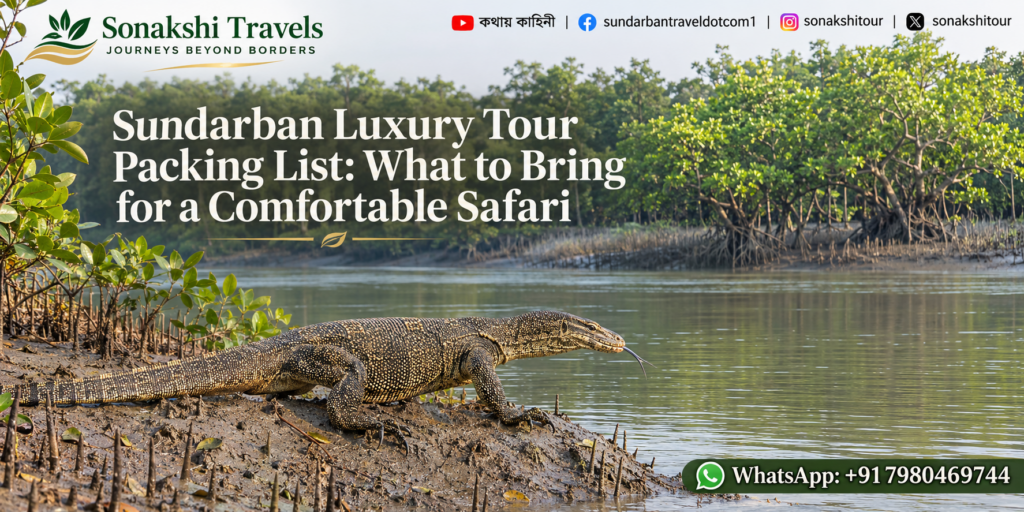
Preparing for a private wildlife holiday in the Indian Sundarbans requires a slightly different approach from packing for an ordinary luxury resort stay. Travellers spend considerable time travelling along tidal rivers, observing wildlife from boats and exploring authorised forest tourism areas. A thoughtfully prepared Sundarban luxury tour packing list should therefore combine personal comfort, practical safari equipment and suitable clothing for the mangrove environment. Effective luxury tour planning does not mean carrying expensive accessories or oversized luggage. It means selecting useful essentials that help you remain comfortable during long hours on the water, changing weather conditions and early morning wildlife excursions while keeping your luggage organised and manageable.
The Sundarbans offer a distinctive wildlife experience. Instead of driving through forest tracks in an open safari vehicle, visitors generally observe the landscape from boats moving through tidal channels. Depending on the itinerary, a day may include an early departure, several hours of river exploration and stops at permitted watchtowers or visitor facilities. Sunlight, humidity, occasional wind and limited access to shops can influence what you need during the journey. Even travellers staying in comfortable accommodation should prepare a small collection of practical items for their daily safari.
This guide explains what clothing, footwear, personal medicines, travel documents, electronic accessories and wildlife observation equipment are worth bringing. It also considers seasonal differences, the needs of international visitors and the distinction between overnight luggage and a lightweight boat-day bag. The aim is to help you pack efficiently without compromising comfort or carrying unnecessary belongings. For broader arrangements involving transport, accommodation and itinerary choices, consult our Sundarban Luxury Tour Planning Guide for First-Time Visitors.
1. The Essential Sundarban Luxury Safari Packing Checklist
For most private Sundarbans holidays, a medium-sized travel bag and a smaller daypack provide a practical combination. The larger bag can remain at your accommodation or in an agreed luggage-storage area, while the daypack holds items required during the safari. The quantity of clothing depends on whether you are visiting for one day, one night or several nights. However, the basic categories remain similar.
| Category | Recommended Items | Why They Matter |
|---|---|---|
| Clothing | Breathable shirts, comfortable trousers, spare clothes and a light jacket | Comfort during changing temperatures and long boat journeys |
| Footwear | Comfortable closed-toe shoes and suitable sandals | Safer movement during transfers and permitted visitor-area walks |
| Sun protection | Wide-brimmed hat, sunglasses and sunscreen | Protection during extended daytime river travel |
| Wildlife observation | Binoculars, camera and suitable lens | Observation of animals and birds without disturbing them |
| Personal care | Prescribed medicines, insect repellent and toiletries | Personal health and convenience away from urban shops |
| Documents | Identification, booking details and necessary travel documents | Transport, accommodation and permit-related verification |
| Electronics | Phone, charging cable and power bank | Communication, photography and navigation records |
| Day bag | Compact backpack, reusable water container and dry pouch | Easy access and protection against splashes |
These recommendations are not a requirement to purchase everything. Travellers who already own comfortable outdoor clothing, sunglasses and a good mobile-phone camera can use those items. The most important principle is to prioritise usefulness over quantity.

2. What Clothes Should You Wear on a Sundarban Wildlife Safari?
Clothing has a significant effect on comfort during a river safari. The best options are lightweight, breathable and easy to wear for several hours while sitting, standing or moving around the boat. Cotton and suitable quick-drying fabrics are practical choices, depending on personal preference and season. Avoid clothing that becomes uncomfortable in humidity or restricts movement.
Choose Neutral and Nature-Friendly Colours
Olive green, muted brown, beige, khaki and other subdued colours are sensible choices for a wildlife excursion. They are less visually conspicuous than brightly coloured garments and fit the restrained approach expected during a responsible nature visit. West Bengal forest guidance advises visitors to avoid highly colourful clothing. There is no need to purchase specialist camouflage clothing or dress as though undertaking a wilderness expedition.
A comfortable long-sleeved shirt can help protect exposed skin from sunlight and insects. Lightweight full-length trousers are similarly useful, especially for travellers who prefer additional coverage. Clothing should remain comfortable in warm weather rather than excessively heavy.

Recommended Clothing for a Two-Night, Three-Day Tour
- Three comfortable daytime shirts or tops.
- Two or three pairs of lightweight trousers.
- One additional outfit for accommodation or evening relaxation.
- Comfortable sleepwear and sufficient undergarments.
- One lightweight long-sleeved layer.
- One additional warm layer during cooler months.
- A compact rain-resistant jacket when weather conditions justify it.
Guests staying at premium accommodation may prefer separate evening clothing. However, formal dress is generally unnecessary unless a particular property or personal occasion calls for it. Comfortable, neat casual wear is appropriate for most private tour arrangements.
Should You Bring Shorts?
Shorts may be comfortable at accommodation or during suitable parts of the journey, but lightweight full-length trousers generally offer better coverage for extended outdoor sightseeing. They can reduce direct sun exposure and help protect against insect bites. For safari activities, practicality should guide the decision.
3. Choosing Footwear for Boats, Transfers and Watchtowers
The Sundarbans are not a conventional walking safari destination. Much of the wildlife-viewing experience takes place aboard a boat, and visitors disembark only in authorised tourism areas. Consequently, expensive trekking boots are usually unnecessary for a normal private tour.
Comfortable closed-toe walking shoes with reliable grip are an excellent general choice. They are suitable for vehicle transfers, boarding arrangements and walking through permitted tourism facilities. Lightweight shoes are also more convenient than heavy footwear when moving between a resort and the boat.
Pack an additional pair of comfortable sandals or slippers for use at your accommodation. Avoid slippery soles, unstable high heels or footwear that becomes difficult to manage on wet surfaces. During boarding and disembarkation, follow crew instructions and use designated access points.
4. Sun Protection, Insect Repellent and Personal Comfort
A private boat can provide an enjoyable setting for wildlife observation, but several hours outdoors may still involve direct sunlight, reflected glare and changing temperatures. Basic personal-care items can make a noticeable difference to the experience.
Sun Protection Essentials
Carry a comfortable wide-brimmed hat or cap, UV-protective sunglasses and broad-spectrum sunscreen suitable for your skin. Reapply sunscreen according to its instructions, particularly when spending extended periods outdoors. A light scarf can offer additional protection from wind or sunlight without taking up much luggage space.
Polarised sunglasses can be useful when looking across reflective river surfaces. However, travellers using cameras or binoculars may find that they prefer removing sunglasses during particular observations. Comfort and visibility should determine the choice.
Insect Repellent and Skin Care
Insects are part of the natural mangrove environment. Carry a personally suitable insect repellent and use it according to the product instructions. Travellers with sensitive skin should select products they already tolerate rather than experimenting with unfamiliar formulations during the trip.
A small moisturiser, lip balm, tissues, hand sanitiser and ordinary personal toiletries can also be helpful. Pack them in a sealed pouch to prevent leakage. Avoid leaving discarded wipes, wrappers or containers in the forest or river environment.
Hydration During the Safari
Bring a reusable water container where appropriate and confirm the operator’s drinking-water arrangements before departure. The Sundarban Tiger Reserve prohibits single-use plastic bottles inside the reserve, so visitors should not assume that disposable bottled water is a suitable option. Confirm how drinking water is supplied aboard your particular boat.
Visitors should drink regularly, especially during warm weather. If you have individual medical hydration requirements, discuss them with your healthcare professional before travelling.
5. Binoculars, Cameras and Wildlife Photography Equipment
Wildlife observation is one of the principal reasons to visit the Sundarbans. Animals may appear along distant riverbanks, among mangrove roots or beside narrow tidal creeks. Binoculars can help guests study birds, deer, crocodiles and other wildlife without requiring the boat to approach unnecessarily closely.
Are Binoculars Necessary?
Binoculars are strongly recommended for travellers interested in wildlife, although they are not always essential to purchase. A comfortable pair with moderate magnification is often easier to handle on a moving boat than an excessively powerful instrument. Models around 8× magnification are a useful starting point for many casual wildlife observers.
The official Tiger Reserve guidelines call for binoculars to be available on tourist boats. Nevertheless, guests who value their own preferred optics should confirm availability with the operator or bring a familiar pair. Individual eyesight, weight and comfort can influence the best choice.
Camera Recommendations
A modern smartphone can record attractive river scenery, mangrove vegetation and nearby subjects. Travellers who particularly enjoy bird or wildlife photography may benefit from a dedicated camera with a telephoto lens.
A lens offering substantial reach can be useful because sightings frequently occur at a distance. However, equipment should remain manageable in a boat environment. A lightweight telephoto setup may be more practical than an excessively heavy camera system during long observation sessions.
Useful photography accessories include:
- Fully charged spare batteries.
- Suitable memory cards with adequate storage.
- A padded camera bag.
- A simple lens-cleaning cloth.
- A protective rain cover or dry pouch.
- A comfortable camera strap.
Use a secure strap when handling equipment close to the boat railing. Avoid leaning outside the vessel to obtain photographs. Never pressure the crew or guide to approach wildlife unsafely or enter prohibited waterways.
What About Drones and Flash Photography?
Do not pack a drone for use inside the Tiger Reserve. Official reserve rules prohibit drone use within the forest area. Wildlife photography should also avoid actions that disturb animals, including intrusive lighting, loud noises or attempts to influence natural behaviour.
The objective should be to observe wildlife responsibly rather than to manufacture a dramatic encounter. A private safari can provide greater convenience and a more personal observation experience, but it cannot guarantee a particular animal sighting.
6. What to Pack for Different Sundarban Seasons
The same packing list is not equally suitable throughout the year. Temperature, humidity, wind and rainfall influence what travellers should carry. West Bengal experiences relatively mild winters, warm and humid summers and a monsoon period. Travellers should check the latest local forecast before departure rather than relying solely on general seasonal descriptions.
| Period | Likely Packing Priority | Useful Extras |
|---|---|---|
| November–February | Comfortable layers for cooler mornings and evenings | Light fleece, wind-resistant jacket |
| March–May | Breathable clothes and effective sun protection | Hat, sunglasses, suitable sun protection |
| June–September | Rain protection and quick-drying belongings | Water-resistant bag and appropriate rainwear |
| October | Flexible clothing for changing post-monsoon conditions | Light jacket, sun protection and rain cover |
Winter Safari Packing
Winter is often comfortable for sightseeing, although early mornings and exposed boat decks can feel cooler than expected. Pack a light fleece, cardigan or wind-resistant jacket that can be removed easily as the day becomes warmer. Travellers particularly sensitive to cool air may appreciate an additional layer.
There is usually no need for expedition-style winter clothing. Choose flexible layers rather than one bulky garment. A lightweight scarf can also be useful during a breezy morning departure.
Summer Safari Packing
Warm-weather travel calls for breathable clothing, sun protection and careful hydration. Pack enough fresh clothing to remain comfortable after a humid day. Quick-drying fabrics can be convenient, particularly when your itinerary includes several days of boat travel.
A hat with a secure fit is preferable to one that may blow away in the wind. Protect electronic devices from heat and avoid leaving them exposed to direct sunlight for long periods.
Monsoon and Rainy-Weather Packing
During wet conditions, prioritise a lightweight waterproof jacket, water-resistant luggage protection and dry pouches for valuables. Rainfall and adverse weather can influence river conditions and tourism arrangements, so visitors should confirm current operating conditions before travelling.
Do not assume that every route or activity operates normally during the monsoon. Forest access, tour schedules and individual itineraries remain subject to official rules and local conditions. Packing appropriate rain protection does not replace the need to verify that your planned visit can proceed.
7. Medicines, First Aid and Health Preparations
Personal medical preparation deserves particular attention because a river journey does not offer the same immediate access to urban pharmacies as a city holiday. Guests should carry all medicines they regularly need, in sufficient quantity for the trip and a reasonable contingency, according to their clinician’s advice.
Keep prescribed medicines in their original labelled packaging. International travellers may also wish to carry relevant prescriptions or medical documentation, particularly for medicines subject to travel restrictions.
Recommended Personal Health Items
- Regular prescription medicines.
- Personal first-aid supplies.
- Adhesive dressings and basic wound-care items.
- Any personally approved treatment for motion sickness.
- Necessary allergy medication or prescribed emergency treatment.
- Personal hygiene products.
- Sun protection and insect repellent.
- Relevant medical information and emergency contacts.
Travellers prone to motion sickness should seek professional advice about suitable prevention before departure. River conditions vary, and individual responses to boat movement differ. Medication should not be started merely because another traveller recommends it.
Guests managing ongoing health conditions, reduced mobility or particular dietary needs should inform the tour operator in advance. This allows practical arrangements to be discussed without assuming that every boat, transfer point or accommodation property has identical accessibility features.
Travelling with Older Family Members
For older travellers, convenient luggage, manageable footwear and easily accessible medicines are often more useful than additional clothing. A small personal bag can hold spectacles, essential medication, drinking water arrangements and communication devices.
Ask about boarding arrangements, handrails, seating, toilet facilities and the physical demands of any planned watchtower visit before booking. These details are especially important for travellers who find steps, uneven surfaces or boat transfers difficult.
8. Travel Documents and Essentials for International Visitors
International visitors should prepare travel documents well before arriving in Kolkata. Entry requirements depend on nationality, visa category and individual circumstances. The official Indian Visa Online portal is the appropriate starting point for checking current visa procedures and eligibility.
Pack the following as applicable:
- Valid passport.
- Appropriate Indian visa, e-Visa approval or other valid entry authorisation.
- Confirmed flight and accommodation details.
- Tour booking confirmation and operator contact information.
- Travel insurance information.
- Emergency contact details.
- Copies of relevant travel documents stored securely.
- Payment methods suitable for the journey.
India’s e-Visa instructions specify passport validity and other conditions for eligible applicants. These requirements should be checked directly against the latest official guidance, because circumstances and documentation rules can differ. International visitors should also confirm applicable arrival formalities before flying.
Forest-entry documentation is a separate matter from permission to enter India. Ask your operator which identification details are required for permits, whether any additional documents apply to foreign nationals and which originals must be available during travel.
Money and Connectivity
Carry an appropriate payment method and a modest amount of Indian currency for incidental personal expenses, where useful. Do not assume that digital payments, card terminals or uninterrupted mobile connectivity will be available at every stage of the journey.
Save essential contact details offline, including your Kolkata pickup contact, hotel information and tour operator. Downloading travel confirmations before departure is a sensible precaution. An international roaming plan or suitable Indian mobile connection may be helpful, although coverage can vary across the region.
9. Electronics and Charging Accessories
Phones and cameras are useful travel companions, but there is little benefit in carrying unnecessary electronics into a humid river environment. Pack essential charging equipment neatly and protect devices against splashes, heat and accidental damage.
A compact charging kit may include:
- Mobile-phone charging cable.
- Camera battery charger.
- Power bank appropriate for your travel arrangements.
- Plug adapter suitable for Indian sockets.
- Water-resistant storage pouch.
- Headphones for private use outside wildlife observation activities.
India commonly uses a 230-volt, 50-hertz electricity supply. Travellers should verify whether their particular chargers support the local voltage. A plug adapter changes the connection shape but does not necessarily convert voltage.
Ask your operator about charging facilities aboard the allocated boat and at the accommodation. Even where charging points are provided, it is sensible to begin the safari with fully charged devices.
Keep electronics secured while moving around the boat. Do not use loudspeakers or play music in the protected forest area. Silence improves both wildlife observation and the overall atmosphere of a nature-focused journey.
10. Packing for a Private Luxury Boat and Resort Stay
A private tour can make packing simpler because travellers may have more control over their luggage organisation and daily routine. However, the word luxury does not mean that every vessel or property provides identical amenities. Facilities should be confirmed according to the selected tour package.
What Goes in the Main Travel Bag?
Your main luggage should generally contain spare clothing, toiletries, additional footwear, evening wear and items not needed during the daytime safari. A manageable soft-sided travel bag or compact suitcase can be convenient during transfers, depending on the luggage arrangements available.
If you are staying at a resort, confirm whether your main bag can remain securely at the property while you explore the waterways. Avoid bringing valuable possessions that serve no practical purpose during the trip.
What Goes in the Boat-Day Bag?
Keep your daily essentials together in one small backpack. That bag should contain a water container, sun protection, personal medicines, binoculars or camera equipment, necessary identification and a waterproof pouch for electronics.
A well-organised daypack makes it easier to find an item without unpacking your entire bag. It also helps keep the deck clear and reduces the possibility of belongings being misplaced.
Travellers comparing accommodation and private safari arrangements may review a private luxury Sundarban tour package to understand the type of travel arrangements that should be clarified before departure.
Confirm Amenities Rather Than Packing Everything
Before leaving Kolkata, ask whether the selected property provides towels, toiletries, drinking-water arrangements and other everyday amenities. Confirm whether your boat offers a functioning toilet, suitable seating and accessible charging arrangements.
These practical questions can prevent unnecessary packing. Guests considering a Sundarban luxury tour package should check the actual inclusions of the quoted itinerary rather than assuming that all packages provide the same facilities.
11. What Should You Avoid Bringing to the Sundarbans?
Responsible packing is partly about what you leave behind. The Sundarban Tiger Reserve has specific rules intended to protect its wildlife and waterways. Visitors should respect these restrictions even when travelling privately.
Items and Activities to Avoid
- Single-use plastic bottles and unnecessary disposable plastic items.
- Drones intended for operation inside the reserve.
- Alcohol or smoking materials for use in protected forest areas.
- Loudspeakers or devices used to play loud music.
- Equipment intended for fishing, swimming or unauthorised exploration.
- Items intended for feeding or attracting wild animals.
- Excessive valuables and unnecessary electronic equipment.
- Bulky clothing or heavy equipment with no practical use.
Do not collect mangrove plants, shells, wildlife specimens or other natural materials. Remain in authorised tourism areas and follow guide and forest staff instructions. Waste must be managed responsibly rather than discarded in rivers or forests.
Visitors should remember that the protected landscape is a living wildlife habitat. The quality of the journey depends partly on respecting the environment instead of attempting to control it.
12. How Much Should You Pack for Different Tour Durations?
The number of travel days should determine the quantity of luggage. A one-day safari requires little more than a practical daypack, while longer holidays need additional clothing and personal supplies. There is rarely a reason to fill a large suitcase for a short private Sundarbans visit.
| Tour Duration | Suggested Packing Approach | Additional Considerations |
|---|---|---|
| One-day tour | One compact daypack | Sun protection, medicines, water arrangements and camera |
| 1 night / 2 days | Small overnight bag plus daypack | One change of clothes and basic toiletries |
| 2 nights / 3 days | Medium travel bag plus daypack | Multiple safari outfits and suitable seasonal layers |
| 3 nights / 4 days or longer | Organised travel bag plus daypack | Additional clothing, medicines, batteries and storage |
Travellers planning a longer photographic safari may need additional storage space for lenses and related equipment. In that case, separate padded protection for fragile items is preferable to packing camera gear loosely among clothing.
For a personalised holiday, guests may compare luxury private safari arrangements and discuss their planned duration, luggage needs and accommodation preferences before travel.
13. Practical Packing Advice for Families and First-Time Visitors
Families benefit from organising belongings by person and by daily activity. A separate pouch for each traveller’s immediate essentials reduces confusion when the group is preparing for an early departure.
For children, pack comfortable spare clothes, suitable sun protection, age-appropriate personal care items and any required medication. Supervision around boats, railings and transfer points remains essential. Parents should confirm appropriate safety equipment and boarding arrangements with the operator before travelling.
First-time visitors sometimes overestimate the amount of specialist equipment required. Professional trekking boots, extensive camping supplies and heavy outdoor clothing are usually unnecessary for a standard escorted boat safari and resort-based tour.
Instead, focus on clothing suited to the expected weather, safe footwear, personal medicines, identification and a convenient day bag. These ordinary essentials generally provide more value than expensive accessories.
A Simple Evening-Before-Departure Routine
Lay out your safari clothes, charge your phone and camera, prepare medicines and check that important documents are accessible. Review the expected weather and confirm the pickup details given by your operator. Place your hat, sunglasses and binoculars where you can reach them easily.
For international visitors departing from Kolkata, confirm where the driver will meet you and whether breakfast or other refreshments are included in the arrangements. Preparing these details in advance can make an early departure considerably more relaxed.
14. Frequently Asked Questions About Sundarban Safari Packing
What clothes are best for a Sundarban luxury safari?
Lightweight, breathable clothing in subdued colours is generally best. Comfortable long trousers, a practical shirt and a seasonal outer layer work well for most visitors. Avoid unnecessarily heavy clothing and brightly coloured safari outfits.
Do I need trekking shoes for a Sundarban boat safari?
Specialist trekking shoes are generally not necessary for an ordinary boat-based tour. Comfortable closed-toe walking shoes with good grip are more useful for transfers and authorised visitor areas. Pack sandals for accommodation use if preferred.
Should I bring binoculars?
Binoculars are highly useful for observing birds and wildlife on distant riverbanks. Official reserve guidance calls for binoculars aboard tourist boats, but guests should confirm availability with their operator. Bringing your own familiar pair may improve convenience.
Can I carry a drone for wildlife photography?
Drones are prohibited inside the Sundarban Tiger Reserve forest area. Visitors should not plan aerial photography there. Conventional cameras and binoculars are more appropriate for responsible wildlife observation.
What should international tourists carry for permits?
International visitors should carry their passport and appropriate Indian travel authorisation, along with required booking information. The precise documents needed for forest permits should be confirmed with the tour operator and relevant authorities before departure.
Do I need to carry drinking water and food?
Confirm which refreshments and drinking-water arrangements are provided on your boat. Use a reusable water container when appropriate, because single-use plastic bottles are prohibited inside the Tiger Reserve. Inform the operator about dietary requirements in advance rather than carrying unnecessary disposable food packaging.
15. Pack Lightly, Prepare Carefully and Travel Comfortably
The best Sundarban luxury tour packing list is practical rather than extensive. Comfortable neutral-coloured clothing, reliable footwear, sun protection, essential medicines, appropriate documents and a few useful wildlife-observation accessories will meet most travellers’ needs. Seasonal layers and waterproof protection should be added according to the weather, while unnecessary valuables and prohibited items are best left behind.
A private safari offers the opportunity to enjoy the tidal landscape at a personal pace, but responsible preparation remains important. Check the precise amenities offered by your accommodation and boat, follow the forest rules and remember that wildlife encounters are never guaranteed.
For guests who prefer assistance with itinerary planning and practical arrangements, Sonakshi Travels can be contacted about private Sundarban journeys, accommodation preferences and transfers from Kolkata. The most successful packing strategy is simple: bring what supports comfort, observation and safety, while allowing the mangrove environment itself to remain the focus of your experience.
Explore Our Latest and Updated Travel Guides
-
Luxury Sundarban Private Tour Cost: What Do You Get for the Higher Price?
Luxury Sundarban Private Tour Cost: What Do You Get for the Higher Price? Luxury in the Sundarbans has a rather different meaning from luxury in a metropolitan hotel or an international beach resort. It is expressed through the freedom to explore a magnificent tidal wilderness with your chosen companions, the comfort of returning to carefully selected accommodation and the reassurance that every important aspect of…
-
What Does Luxury Mean in the Sundarbans? Beyond Five-Star Rooms and Expensive Cars
What Does Luxury Mean in the Sundarbans? Beyond Five-Star Rooms and Expensive Cars At first glance, luxury travel appears easy to define. A sophisticated hotel, an expensive vehicle, beautifully presented meals and attentive hospitality are familiar indicators of a premium holiday. Yet a Sundarban luxury tour invites travellers to reconsider these conventional measures of indulgence. In a destination where tidal rivers determine the rhythm of…
-
Why True Sundarban Luxury Is Space, Time and Personal Attention
Why True Sundarban Luxury Is Space, Time and Personal Attention There is a particular kind of luxury that cannot be adequately described through the photographs of an expensive hotel room. It is experienced in the quiet moments of a journey, when there is no need to hurry, no competition for a comfortable seat and no obligation to adjust every personal preference to the expectations of…
-
How to Choose a Genuine Sundarban Private Tour Operator: 15 Questions to Ask Before Booking
How to Choose a Genuine Sundarban Private Tour Operator: 15 Questions to Ask Before Booking Choosing a genuine Sundarban private tour operator is one of the most important decisions you will make before exploring India's remarkable mangrove wilderness. A beautifully designed website may promise an exclusive boat, comfortable accommodation, experienced naturalists and unforgettable wildlife encounters. Yet these attractive descriptions do not always explain how the…
-
Sundarban Luxury Tour Crocodile and Deer Spotting: Beyond the Famous Bengal Tiger
Sundarban Luxury Tour Crocodile and Deer Spotting: Beyond the Famous Bengal Tiger A Royal Bengal Tiger may be the most celebrated animal of the Indian Sundarbans, but two other remarkable inhabitants often make a wildlife safari equally fascinating: the saltwater crocodile and the spotted deer. Crocodiles may rest almost motionless on exposed tidal mudbanks, while groups of chital deer feed along mangrove margins or emerge…
-
Sundarban Luxury Tour Full-Day Jungle Safari: What Happens from Morning to Evening?
Sundarban Luxury Tour Full-Day Jungle Safari: What Happens from Morning to Evening? A full-day jungle safari in the Indian Sundarbans is an experience shaped by tidal rivers, dense mangrove forests, changing wildlife activity and the quiet rhythm of travelling by boat. Unlike conventional jeep safaris, visitors explore the protected landscape through authorised waterways, observing forest banks and stopping at designated tourism facilities where permitted. A…
-
Sundarban Luxury Tour Morning Safari Experience: Light, Wildlife and River Landscapes
Sundarban Luxury Tour Morning Safari Experience: Light, Wildlife and River Landscapes Morning brings a distinctive atmosphere to the mangrove waterways of the Indian Sundarbans. Soft daylight gradually reveals the forest margins, reflections move across tidal rivers, and the sounds of birds become part of the experience of travelling through this remarkable landscape. For visitors planning a Sundarban Tour Private Wildlife Safari, a well-organised morning excursion…
-
Sundarban Luxury Tour Safari Safety: Understanding Wildlife Rules and Responsible Travel
Sundarban Luxury Tour Safari Safety: Understanding Wildlife Rules and Responsible Travel Safety is an essential part of experiencing the wild mangrove waterways of the Indian Sundarbans. A luxury safari may provide a comfortable private boat, experienced service team and personalised wildlife interpretation, but these advantages must operate within the safety requirements and conservation regulations established for the protected forest. Travellers booking a Sundarban Tour Private…
-
Sundarban Luxury Tour Watchtower Guide: Sajnekhali, Sudhanyakhali and Dobanki
Sundarban Luxury Tour Watchtower Guide: Sajnekhali, Sudhanyakhali and Dobanki The watchtowers of Sajnekhali, Sudhanyakhali and Dobanki offer three different ways to experience the remarkable mangrove landscape of the Indian Sundarbans. Sajnekhali introduces travellers to the forest through wildlife interpretation and designated observation facilities, Sudhanyakhali provides views towards a freshwater pond and surrounding mangrove habitat, while Dobanki is particularly recognised for its elevated canopy walkway. For…
-
Sundarban Luxury Tour Safari Permits: Entry Rules, Guides and Boat Requirements
Sundarban Luxury Tour Safari Permits: Entry Rules, Guides and Boat Requirements Planning a private wildlife safari in the Indian Sundarbans involves more than selecting a comfortable boat and arranging accommodation. Every legitimate journey into the protected tourism areas must respect forest entry permissions, authorised guides, boat registration requirements and conservation regulations. These arrangements are particularly important for travellers booking a Sundarban Tour Private Wildlife Safari,…
Turn Your Sundarban Plans into a Personalised Quotation
Tell Sonakshi Travels who is travelling and what you have in mind. Request availability, suitable stay options, and a clear package price for your party.
Prefer to speak directly? WhatsApp +91 7980469744 or call Sonakshi Travels.