Sundarban Luxury Tour as Part of a Longer India Holiday: Kolkata and Beyond
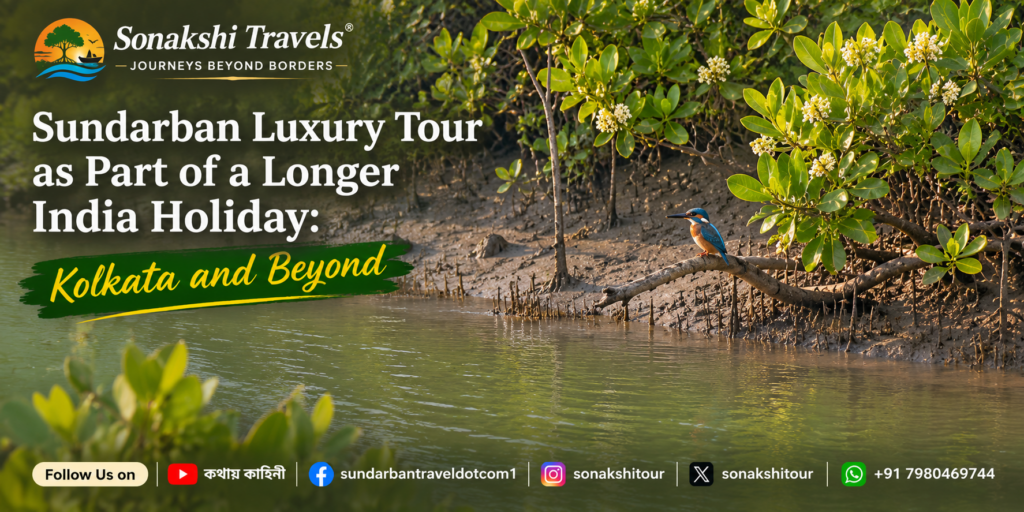
A Sundarban luxury tour can bring a distinctive wildlife experience to a longer India holiday, particularly for international travellers who want to explore more than the country’s familiar cities, monuments and national parks. Located in southern West Bengal, the Indian Sundarbans offer an unusual combination of tidal rivers, dense mangrove forests, traditional waterways and opportunities to observe wildlife from a boat. Kolkata provides the natural starting point, allowing visitors to combine cultural sightseeing with a private nature expedition before continuing elsewhere in India. Planning these experiences together, however, requires attention to travel connections, realistic safari durations, accommodation preferences and the considerable differences between urban sightseeing and exploring a protected mangrove environment.
The most practical approach is usually to treat Kolkata and the Sundarbans as one connected stage of a wider itinerary. Travellers can arrive in Kolkata, spend time exploring the city’s history and cultural attractions, then travel south for a private Sundarban safari before returning to the city. From Kolkata, onward flights or trains can connect visitors with other Indian destinations. This arrangement avoids unnecessary transfers and makes it easier to organise luggage, accommodation and transport within a single regional programme.
The ideal number of days depends on the overall length of the holiday and the interests of the traveller. A short India visit might allow only a one-night Sundarban excursion, while a longer journey can comfortably accommodate two or three nights. Wildlife enthusiasts may want additional time on the waterways, whereas travellers combining the Sundarbans with Rajasthan, Varanasi or the Himalayan foothills may prefer a carefully balanced schedule. This guide explains how to position a private Sundarban experience within a wider India itinerary without sacrificing comfort, valuable sightseeing time or realistic travel expectations.
1. Why Include the Sundarbans in a Longer India Holiday?
India offers many contrasting travel experiences. Historic cities, mountain landscapes, desert architecture, beaches and inland wildlife reserves attract visitors for different reasons. The Sundarbans add another dimension: a landscape where rivers, tides, mudflats and mangrove vegetation shape both wildlife habitats and the rhythm of travel. Instead of travelling along conventional safari tracks, visitors primarily explore designated waterways aboard suitable tourist boats.
The Indian Sundarbans National Park is recognised as a UNESCO World Heritage Site. Its wider ecosystem forms part of the extensive mangrove forests of the Ganges delta and supports an important range of animal and plant life. Royal Bengal tigers are the best-known residents, although sightings remain unpredictable. Birds, spotted deer, macaques, crocodiles and other wildlife may also provide rewarding observations.
A different kind of Indian wildlife experience
Travellers who have already visited a terrestrial tiger reserve may find the Sundarbans particularly interesting. Forest visibility, animal behaviour and safari logistics differ substantially. Dense vegetation restricts many views, tidal channels determine movement, and wildlife observations may occur across considerable distances. The emphasis is often on patiently understanding the landscape rather than moving quickly between possible animal sightings.
This difference makes the Sundarbans a useful complement to inland wildlife destinations rather than a replacement for them. A holiday that combines both environments can provide broader insight into India’s ecological diversity.
A quieter contrast to major cities
After several days of urban sightseeing, the open river landscapes and slower pace of a private boat safari can feel refreshing. Much of the experience involves watching the changing shoreline, listening to natural sounds and observing small details in the mangrove environment.

This is particularly appealing to international travellers who value nature, photography and private guided experiences. However, the setting remains an active tidal environment, and boat journeys can be affected by heat, weather and river conditions. Comfort should be planned rather than assumed.
2. Kolkata: The Best Starting Point for a Sundarban Luxury Tour
Kolkata serves as the principal gateway for international travellers visiting the Indian Sundarbans. Its airport, railway connections, accommodation options and established tourism services make it a practical base before and after a safari. The journey from Kolkata towards the Sundarbans generally involves road transport to a suitable boat departure point, followed by onward travel by water.
For guests arriving from overseas, spending at least one night in Kolkata before beginning the safari is often sensible. International arrivals may involve immigration procedures, baggage collection and unpredictable traffic. Beginning a long road-and-boat transfer immediately after a tiring flight can make the first day unnecessarily demanding.
How many days should you spend in Kolkata?
Two or three days can provide a satisfying introduction to Kolkata, depending on arrival times and personal interests. Visitors can explore colonial-era architecture, museums, markets, traditional neighbourhoods and the city’s food culture. A private sightseeing programme is particularly useful when travellers want to see several areas without navigating public transport independently.
Victoria Memorial, St Paul’s Cathedral, the Indian Museum and the Hooghly riverfront are among the city’s recognised attractions. The precise selection should reflect each visitor’s interests, opening schedules and the time available. Rather than filling every hour, allow flexibility for traffic, meals and spontaneous discoveries.
Combining Kolkata culture with mangrove wildlife
The transition from Kolkata to the Sundarbans creates a particularly interesting travel contrast. One day might involve visiting a historic museum or walking through a traditional neighbourhood; the next could be spent observing birds along a tidal creek. Both experiences reveal different aspects of eastern India.
For travellers planning their first visit to this region, the complete Sundarban luxury tour guide for international travellers provides broader context for preparing a private wildlife holiday.
3. Choosing the Right Sundarban Tour Duration Within Your India Itinerary
One of the most important decisions is how much of the overall India holiday to allocate to the Sundarbans. The destination involves more than a short drive from Kolkata. Road connections, boat boarding, forest permissions and the permitted safari schedule all influence the amount of useful time available for wildlife observation.
| Tour Duration | Experience | Best For |
|---|---|---|
| One day | A limited introduction to the waterways and permitted sightseeing | Very short visits to Kolkata |
| Two days, one night | A short overnight nature excursion with more time than a day trip | Busy multi-city itineraries |
| Three days, two nights | A more balanced private safari with additional observation opportunities | Most dedicated international nature visitors |
| Four days or longer | Extended interpretation and specialised wildlife interests | Birdwatchers and wildlife photographers |
Why three days and two nights often work well
A three-day programme generally allows a more comfortable balance between transfers and time on the waterways. Guests can settle into the journey, experience the changing river environment and enjoy additional opportunities for wildlife observation. A longer stay can also accommodate more detailed naturalist interpretation, subject to the approved routes and operating conditions.
For visitors combining the Sundarbans with several other destinations, this duration often provides a meaningful introduction without requiring an excessive proportion of the holiday. Those with stronger wildlife interests may prefer additional days.
When a shorter tour makes sense
A one-night trip may be reasonable when a traveller has limited time or primarily wishes to experience the river landscape. It is important to recognise that transfer time reduces the opportunities for actual forest exploration. Visitors should evaluate the planned safari hours rather than judging a package by its total duration alone.
A short trip should not be promoted as equivalent to several full days of wildlife observation. If the Sundarbans are a principal reason for visiting eastern India, allowing sufficient time is usually the more satisfying decision.
4. A Suggested Seven-Day Kolkata and Sundarban Luxury Itinerary
For international visitors with approximately one week available in eastern India, a combination of Kolkata sightseeing and a three-day Sundarban excursion offers a practical starting point. The following schedule is illustrative rather than a guaranteed operating itinerary. Actual transfers, forest routes and accommodation arrangements must be confirmed before travel.
Day 1: Arrival in Kolkata
Arrive at Kolkata airport and transfer to a pre-booked hotel. Keep the programme light, particularly after an overnight international flight. Depending on arrival time, guests may enjoy a relaxed dinner or a short local outing. The principal objective is to settle comfortably before sightseeing begins.
Day 2: Kolkata heritage and cultural exploration
Spend the day exploring selected cultural attractions with a private vehicle and a suitable guide if desired. Historic architecture, museum collections, riverside scenery and Bengali cuisine can provide a varied introduction to the city. Avoid an unnecessarily crowded programme, allowing enough time to appreciate each stop.
Day 3: Kolkata to the Sundarbans
Begin the road transfer towards the designated boarding point at the agreed time. Board the private tourist vessel and continue through the waterways according to the confirmed itinerary. Depending on arrival time and permitted arrangements, the day may include introductory wildlife observation, mangrove interpretation and transfer to the booked accommodation.
Day 4: Full-day private wildlife safari
Dedicate the day to exploring approved forest tourism routes by boat. A forest-authorised guide accompanies the safari as required, while an English-speaking naturalist may provide additional interpretation when arranged. The programme can focus on mangrove ecology, birdwatching and patient observation along the shoreline.
Possible tourism areas include locations associated with Sajnekhali, Sudhanyakhali and Dobanki, depending on permissions, routes and current access. Wildlife sightings remain unpredictable, and the programme must follow the prevailing forest regulations.
Day 5: Final safari and return to Kolkata
Complete the scheduled morning or daytime activities before beginning the return journey. The time of departure depends on the programme, river conditions and the location of the accommodation. Return to Kolkata for an overnight stay rather than automatically connecting to a tightly scheduled flight.
Day 6: Flexible Kolkata exploration
Use this day for additional cultural sightseeing, shopping, local dining or rest. It also provides a useful buffer after the more logistically complex river journey. Travellers who prefer to continue elsewhere in India may use this day for an onward transfer instead.
Day 7: Departure or continuation
Transfer to Kolkata airport for an onward domestic or international flight, or continue by another suitable mode of transport. If the next destination is distant, confirm actual schedules before finalising the programme. A seven-day eastern India holiday can also become the first stage of a much longer journey.
5. Combining the Sundarbans with Other Indian Destinations
The Sundarbans fit particularly well into a multi-destination journey when Kolkata serves as the connection point. Rather than attempting to travel directly from an island accommodation to a distant Indian attraction, visitors should usually return to Kolkata and continue through established air or rail networks. This approach makes transport planning more predictable.
Sundarbans with Delhi, Agra and Rajasthan
Travellers interested in India’s historic cities and architectural heritage can combine the Sundarbans with a north Indian itinerary. Delhi provides major transport connections, Agra is known for the Taj Mahal, and Rajasthan offers forts, palaces and distinctive regional landscapes.
An effective sequence may begin in Kolkata, continue to the Sundarbans, return to Kolkata and then proceed to Delhi for the northern portion of the holiday. The order can also be reversed depending on international flights. Allow adequate time for the northern destinations rather than attempting to include several major cities in only a few days.
Sundarbans with Varanasi
Varanasi introduces a different aspect of India’s river culture, with religious traditions, historic neighbourhoods and activities centred on the Ganges. Although both destinations involve major river landscapes, their character is fundamentally different. Varanasi offers cultural and spiritual experiences, while the Sundarbans concentrate on tidal ecology and wildlife.
The combination can be especially interesting to international visitors who want to understand how rivers influence different parts of Indian life. Travel between the regions should be planned around available transport connections and suitable overnight arrangements.
Sundarbans with Darjeeling and the Himalayan foothills
Darjeeling and nearby hill destinations offer a strong geographical contrast to the low-lying mangrove delta. Tea-growing landscapes, mountain scenery and cooler conditions create a different travel experience. Combining these regions allows visitors to explore two distinctive environments within a wider eastern India programme.
The journey requires additional travel through northern West Bengal, commonly involving transport connections towards the Siliguri region. Mountain road conditions and seasonal weather can influence transfer times. Travellers should avoid scheduling important flight connections immediately after lengthy hill transfers.
Sundarbans with another Indian wildlife reserve
Dedicated wildlife enthusiasts may prefer to combine the Sundarbans with a terrestrial national park. The comparison can be educational because animals are observed in substantially different environments. Inland safaris may involve open tracks and land vehicles, whereas Sundarban observations are primarily boat-based.
This type of itinerary requires careful seasonal planning. Wildlife reserves may have different operating calendars and access restrictions, particularly during monsoon periods. Check each destination independently rather than assuming that all Indian wildlife parks follow identical rules.
6. How to Coordinate Transfers, Flights and Luggage
Transport coordination can determine whether a longer India holiday feels effortless or unnecessarily complicated. The Sundarbans involve a road-and-water journey rather than a conventional airport-to-hotel transfer. This means guests should be especially careful when connecting the safari with domestic flights or long-distance trains.
Avoid tight connections on safari return days
Returning from the Sundarbans may involve changes in river conditions, road congestion and the time required to complete the agreed safari programme. Consequently, booking a flight shortly after the expected return to Kolkata introduces avoidable risk.
A Kolkata overnight stay after the safari is often advisable for international travellers, particularly when the next flight is expensive or cannot easily be rescheduled. This additional night can also provide welcome rest after several days on the waterways.
Organising luggage for the boat journey
Travellers carrying large suitcases for a longer India holiday may prefer to leave unnecessary baggage at a Kolkata hotel, where storage is available and agreed in advance. A smaller bag containing clothing, medication, toiletries and essential personal belongings may be more convenient for the Sundarban portion.
Before making this arrangement, verify the hotel’s luggage storage policy and whether the group will return to the same property. Valuable documents and essential medicines should remain accessible throughout the journey.
Private transfers and meeting arrangements
A private air-conditioned vehicle can simplify transport between a Kolkata hotel, airport or railway station and the chosen Sundarban boarding point. The operator should specify the pickup location, luggage capacity and whether the vehicle is reserved exclusively for the group.
Sonakshi Travels offers private Sundarban arrangements that can include Kolkata transfers, private boat services and dedicated assistance according to the confirmed package. Travellers comparing private luxury Sundarban tour arrangements should examine how these services connect with the rest of their India itinerary.
7. Accommodation and Comfort Across a Multi-Destination Holiday
A longer India holiday may involve several kinds of accommodation, from international-standard city hotels to smaller properties near protected natural areas. Choosing a luxury Sundarban package therefore requires realistic expectations about differences in location, infrastructure and facilities.
A comfortable city hotel in Kolkata may offer extensive dining choices, lifts, multiple room categories and familiar urban services. Accommodation close to the Sundarbans may operate on a smaller scale, with facilities varying considerably between properties. A premium price or attractive marketing description does not establish an official hotel classification.
Choosing accommodation for the safari stage
Consider air conditioning, bathroom facilities, room access, electricity arrangements, cleanliness and distance from the boat boarding point. Travellers with dietary requirements or mobility concerns should confirm relevant arrangements directly before booking.
For multi-night stays, the quality of rest is especially important. A comfortable room after a long day on the water can improve the overall experience, but the resort should be evaluated on verified facilities rather than general luxury terminology.
Boat comfort matters as much as accommodation
Travellers may spend much of their safari day aboard a traditional Sundarban tourist launch. Practical facilities such as shaded seating, an accessible toilet, drinking water and suitable areas for wildlife observation deserve close attention.
A private boat can provide greater personal space and flexibility, but its physical construction, stairs and movement on water may still present challenges. This is particularly relevant for senior international travellers and visitors who require assistance when boarding.
When comparing Sundarban luxury travel package choices, request details of both the accommodation and the actual vessel rather than assuming that one premium label covers every component.
8. Best Time to Include the Sundarbans in an India Holiday
Seasonal planning becomes especially important when combining destinations with very different climates. The Sundarbans have a tropical coastal environment influenced by heat, humidity, monsoon rainfall and seasonal weather systems. Conditions in northern India’s mountains or western India’s desert regions can be considerably different during the same month.
October to March: A popular planning period
The period from October to March is commonly favoured for Sundarban tourism because conditions are often more comfortable for outdoor activities than during the hottest or wettest parts of the year. West Bengal’s tourism guidance also highlights this period for organised excursions.
Nevertheless, weather cannot be guaranteed. Rain, wind, fog or unusual conditions can affect visibility and operations. Tourists should check the forecast before travel and remain prepared for changes to the programme.
Matching the season to other destinations
Travellers combining the Sundarbans with Rajasthan may find the cooler part of the year convenient for both regions. A holiday that includes Darjeeling needs additional attention to mountain weather, especially when views or particular outdoor activities are priorities.
A summer or monsoon itinerary may require a different balance. Rather than selecting dates based solely on one destination, consider which part of the overall holiday is least flexible and build the remaining programme around it.
Allowing for seasonal disruption
Water-based tourism can be affected by adverse weather and official restrictions. During periods of heavy rainfall, strong winds or other hazardous conditions, operators may need to change or cancel activities.
A well-designed India itinerary should include sensible alternatives, appropriate booking conditions and enough flexibility to deal with operational changes. This becomes particularly important when expensive onward arrangements depend on a fixed return date.
9. International Visitor Documents, Forest Permissions and Practical Preparation
International travellers planning a multi-destination India holiday should ensure that their entry documents cover the complete journey. Passport validity, visa eligibility and permitted length of stay depend on nationality and the applicable immigration category.
India operates an official electronic visa system for eligible travellers, but individual requirements should be checked through the relevant government channels. Do not assume that every passport holder qualifies for the same visa or that a particular entry permission automatically covers every possible travel arrangement.
Forest permits and identity documents
The Sundarban Tiger Reserve has its own arrangements for tourism access, registered boats and authorised guides. Operators normally coordinate the relevant safari requirements, but travellers should provide accurate identification information and confirm which documents must be carried.
Official visitor information concerning additional permissions for foreigners has not always been presented consistently across reserve guidance. The safest approach is to request confirmation of the current procedure from the operator and appropriate forest authority before departure.
Health, medication and personal essentials
A longer India itinerary may involve different temperatures, accommodation environments and levels of access to medical facilities. Travellers should carry essential prescription medication, suitable sun protection, insect repellent, comfortable footwear and any necessary personal medical supplies.
Before visiting a remote riverine region, guests with medical concerns should seek appropriate professional travel-health advice. The tour operator should also be informed of any important mobility requirements that could affect boarding or accommodation arrangements.
Responsible tourism requirements
The protected mangrove environment must be explored according to official rules. A private booking does not permit unrestricted access to forests, unauthorised landings or nighttime wildlife safaris. Travellers should follow the instructions of their authorised guide and boat crew.
Wildlife should be observed without unnecessary disturbance. The possibility of seeing a tiger or another elusive animal remains uncertain regardless of the length or cost of the tour.
10. Budgeting and Booking a Sundarban Tour Within a Longer India Holiday
When the Sundarbans form one part of a larger holiday, comparing individual package prices is not enough. Travellers should consider the entire route, including Kolkata hotel nights, airport transfers, onward transport, safari services, accommodation and any additional guides.
A well-organised private package may simplify the Sundarban stage by combining transport, boat services, meals, guiding and accommodation within a confirmed quotation. However, inclusions vary and should always be checked in writing.
What to include in the overall travel budget
- International and domestic flights or long-distance rail journeys.
- Kolkata accommodation before and after the safari.
- Private road transfers and luggage arrangements.
- Private boat services and required forest guiding.
- Additional English-speaking naturalist services, where requested.
- Resort accommodation, meals and dietary arrangements.
- Applicable permits, tourism charges and personal expenses.
- Travel insurance and a reasonable contingency allowance.
The cost of a luxury private Sundarban tour package should be assessed against the actual number of safari days, accommodation category, boat arrangements and services included.
Avoiding unnecessary expenses
Efficient routing can reduce unnecessary hotel changes and repeated transfers. For example, keeping Kolkata as the arrival and departure base for the Sundarban section may be easier than trying to connect directly from the river journey to another distant region.
Similarly, using one coordinated private transport arrangement for the regional journey can reduce uncertainty. Travellers should nevertheless compare complete costs rather than assuming that every bundled package offers better value.
Coordinating your plans with Sonakshi Travels
Sonakshi Travels can assist with planning the Sundarban portion of a longer India holiday, including private tour arrangements from Kolkata, dedicated boat services and accommodation options according to the confirmed itinerary.
International travellers should communicate their overall arrival and departure dates, preferred safari duration, hotel expectations and onward destination before finalising the booking. This helps ensure that the Sundarban programme fits naturally into the larger holiday.
Further package information can be explored through the Sonakshi Travels Sundarban tour website, with the final programme and inclusions confirmed directly before payment.
Frequently Asked Questions About Combining the Sundarbans with an India Holiday
1. Can I include the Sundarbans in a two-week India holiday?
Yes. A two-week itinerary can accommodate Kolkata and a two- or three-night Sundarban excursion alongside selected destinations elsewhere in India. The most suitable arrangement depends on travel connections and the time you want to spend in each region. Avoid adding too many destinations, as repeated transfers can reduce the quality of the experience.
2. Should I visit Kolkata before or after the Sundarbans?
Visiting Kolkata first is often convenient for international arrivals because it provides time to rest, adjust to the local environment and explore the city before travelling into the delta. However, the order can be reversed if flight schedules or the wider India itinerary make that arrangement more practical.
3. Can I fly to another Indian destination immediately after my safari?
It may be possible with a suitable schedule, but tight same-day connections are best avoided. Returning from the Sundarbans requires road and boat travel, which can be affected by traffic, weather and operating conditions. An overnight stay in Kolkata provides a useful safety margin before an important flight.
4. Is a private Sundarban tour suitable for senior international travellers?
A private tour may provide greater comfort, a flexible pace and more individual attention. However, actual suitability depends on the boat, boarding arrangements, accommodation and the traveller’s mobility. Discuss stairs, seating, assistance requirements and any medical considerations before booking.
5. Which other Indian destinations combine well with the Sundarbans?
Kolkata is the most convenient regional addition. Beyond West Bengal, travellers may combine the Sundarbans with Delhi, Agra, Rajasthan, Varanasi, Darjeeling or another wildlife reserve. The best combination depends on the available holiday duration, seasonal conditions and personal interests.
6. Is three days enough for a meaningful Sundarban wildlife experience?
A three-day, two-night programme can offer a worthwhile introduction with time for guided boat excursions and mangrove interpretation. Nevertheless, wildlife sightings are never guaranteed. Dedicated birdwatchers and photographers may prefer a longer stay, while visitors with limited time may find a shorter trip more suitable.
Making the Sundarbans a Natural Part of Your India Journey
Including a Sundarban luxury tour in a longer India holiday offers an opportunity to experience a side of the country that differs significantly from its famous cities, monuments and inland wildlife reserves. The journey through tidal rivers and mangrove forests can provide valuable perspective on India’s natural diversity, especially when accompanied by knowledgeable guides and realistic expectations.
Kolkata is the logical connecting point, and a carefully organised regional itinerary can combine cultural sightseeing, comfortable private transfers and meaningful time on the waterways. The best results come from allowing enough days, avoiding unnecessarily tight onward connections and choosing accommodation and boat facilities that genuinely suit the traveller.
For international travellers planning a Sundarban tour within a wider India journey, Sonakshi Travels can assist in shaping the private safari component around confirmed travel dates, accommodation preferences and individual interests. A well-integrated itinerary allows the Sundarbans to become an important part of the holiday rather than a rushed diversion from other destinations.
Explore Our Latest and Updated Travel Guides
-
Luxury Sundarban Private Tour Cost: What Do You Get for the Higher Price?
Luxury Sundarban Private Tour Cost: What Do You Get for the Higher Price? Luxury in the Sundarbans has a rather different meaning from luxury in a metropolitan hotel or an international beach resort. It is expressed through the freedom to explore a magnificent tidal wilderness with your chosen companions, the comfort of returning to carefully selected accommodation and the reassurance that every important aspect of…
-
What Does Luxury Mean in the Sundarbans? Beyond Five-Star Rooms and Expensive Cars
What Does Luxury Mean in the Sundarbans? Beyond Five-Star Rooms and Expensive Cars At first glance, luxury travel appears easy to define. A sophisticated hotel, an expensive vehicle, beautifully presented meals and attentive hospitality are familiar indicators of a premium holiday. Yet a Sundarban luxury tour invites travellers to reconsider these conventional measures of indulgence. In a destination where tidal rivers determine the rhythm of…
-
Why True Sundarban Luxury Is Space, Time and Personal Attention
Why True Sundarban Luxury Is Space, Time and Personal Attention There is a particular kind of luxury that cannot be adequately described through the photographs of an expensive hotel room. It is experienced in the quiet moments of a journey, when there is no need to hurry, no competition for a comfortable seat and no obligation to adjust every personal preference to the expectations of…
-
How to Choose a Genuine Sundarban Private Tour Operator: 15 Questions to Ask Before Booking
How to Choose a Genuine Sundarban Private Tour Operator: 15 Questions to Ask Before Booking Choosing a genuine Sundarban private tour operator is one of the most important decisions you will make before exploring India's remarkable mangrove wilderness. A beautifully designed website may promise an exclusive boat, comfortable accommodation, experienced naturalists and unforgettable wildlife encounters. Yet these attractive descriptions do not always explain how the…
-
Sundarban Luxury Tour Crocodile and Deer Spotting: Beyond the Famous Bengal Tiger
Sundarban Luxury Tour Crocodile and Deer Spotting: Beyond the Famous Bengal Tiger A Royal Bengal Tiger may be the most celebrated animal of the Indian Sundarbans, but two other remarkable inhabitants often make a wildlife safari equally fascinating: the saltwater crocodile and the spotted deer. Crocodiles may rest almost motionless on exposed tidal mudbanks, while groups of chital deer feed along mangrove margins or emerge…
-
Sundarban Luxury Tour Full-Day Jungle Safari: What Happens from Morning to Evening?
Sundarban Luxury Tour Full-Day Jungle Safari: What Happens from Morning to Evening? A full-day jungle safari in the Indian Sundarbans is an experience shaped by tidal rivers, dense mangrove forests, changing wildlife activity and the quiet rhythm of travelling by boat. Unlike conventional jeep safaris, visitors explore the protected landscape through authorised waterways, observing forest banks and stopping at designated tourism facilities where permitted. A…
-
Sundarban Luxury Tour Morning Safari Experience: Light, Wildlife and River Landscapes
Sundarban Luxury Tour Morning Safari Experience: Light, Wildlife and River Landscapes Morning brings a distinctive atmosphere to the mangrove waterways of the Indian Sundarbans. Soft daylight gradually reveals the forest margins, reflections move across tidal rivers, and the sounds of birds become part of the experience of travelling through this remarkable landscape. For visitors planning a Sundarban Tour Private Wildlife Safari, a well-organised morning excursion…
-
Sundarban Luxury Tour Safari Safety: Understanding Wildlife Rules and Responsible Travel
Sundarban Luxury Tour Safari Safety: Understanding Wildlife Rules and Responsible Travel Safety is an essential part of experiencing the wild mangrove waterways of the Indian Sundarbans. A luxury safari may provide a comfortable private boat, experienced service team and personalised wildlife interpretation, but these advantages must operate within the safety requirements and conservation regulations established for the protected forest. Travellers booking a Sundarban Tour Private…
-
Sundarban Luxury Tour Watchtower Guide: Sajnekhali, Sudhanyakhali and Dobanki
Sundarban Luxury Tour Watchtower Guide: Sajnekhali, Sudhanyakhali and Dobanki The watchtowers of Sajnekhali, Sudhanyakhali and Dobanki offer three different ways to experience the remarkable mangrove landscape of the Indian Sundarbans. Sajnekhali introduces travellers to the forest through wildlife interpretation and designated observation facilities, Sudhanyakhali provides views towards a freshwater pond and surrounding mangrove habitat, while Dobanki is particularly recognised for its elevated canopy walkway. For…
-
Sundarban Luxury Tour Safari Permits: Entry Rules, Guides and Boat Requirements
Sundarban Luxury Tour Safari Permits: Entry Rules, Guides and Boat Requirements Planning a private wildlife safari in the Indian Sundarbans involves more than selecting a comfortable boat and arranging accommodation. Every legitimate journey into the protected tourism areas must respect forest entry permissions, authorised guides, boat registration requirements and conservation regulations. These arrangements are particularly important for travellers booking a Sundarban Tour Private Wildlife Safari,…
Turn Your Sundarban Plans into a Personalised Quotation
Tell Sonakshi Travels who is travelling and what you have in mind. Request availability, suitable stay options, and a clear package price for your party.
Prefer to speak directly? WhatsApp +91 7980469744 or call Sonakshi Travels.